Time to indulge: April 17 is National Crawfish Day!
Life on the Northshore in St. Tammany Parish revolves around food, and nothing captures that energy quite like crawfish season — already underway and gone before you know it. When the first sacks arrive, often making the evening news, the rush begins and doesn’t let up for long.
You’ve got questions? We’ve got answers. Here’s everything you need to know to make the most of crawfish season while it’s here.
When Is Crawfish Season in Louisiana?
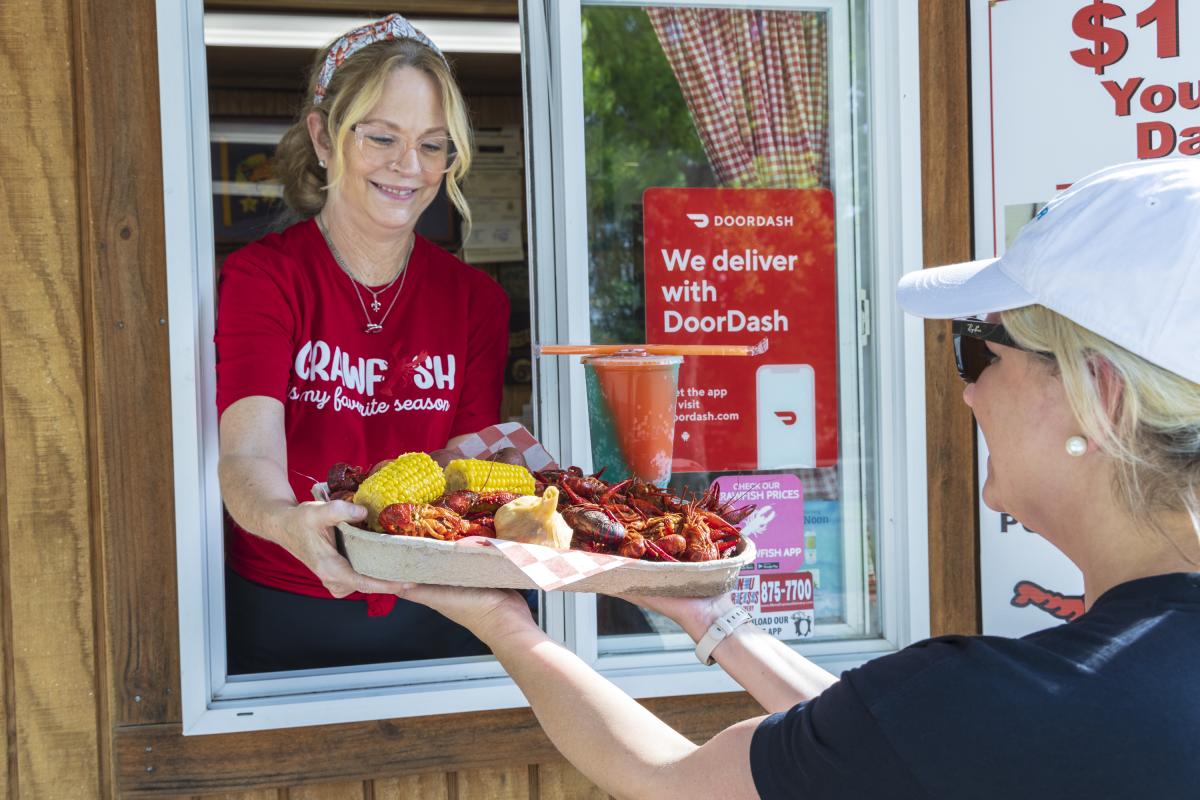
Though the season can vary a little, crawfish supplies are usually plentiful and most reliable from January to June. However, the exact timing depends on weather conditions and rainfall. During the colder months of January to March, crawfish are less active, while the warmer spring months see a surge in availability. By mid-summer, the season starts to wind down, so it’s best to plan your trip accordingly.
When Does Crawfish Season Start?
Mark your calendars! Crawfish season in Louisiana typically kicks off in late January or early February. Though there is no official start date, you’ll definitely hear the buzz when the first batches arrive. If you’re planning a trip to The Northshore, aim for peak months to ensure availability. (More on that below!)
When Does Crawfish Season End?
As the saying goes, nothing lasts forever. So, when does crawfish season end? Typically, the season starts winding down by mid-summer, around June or July. This is when crawfish burrow deeper to escape the heat and may not be as plentiful.
Enjoy Peak Crawfish Season in St. Tammany
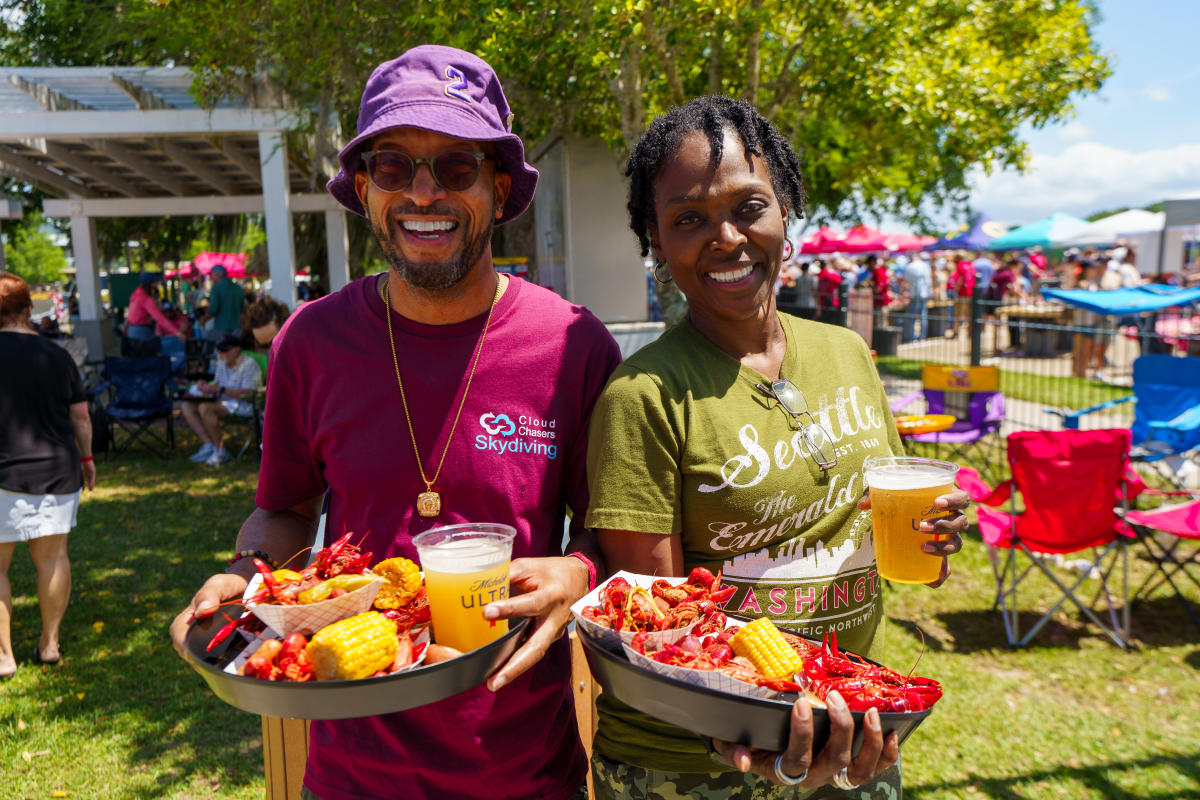
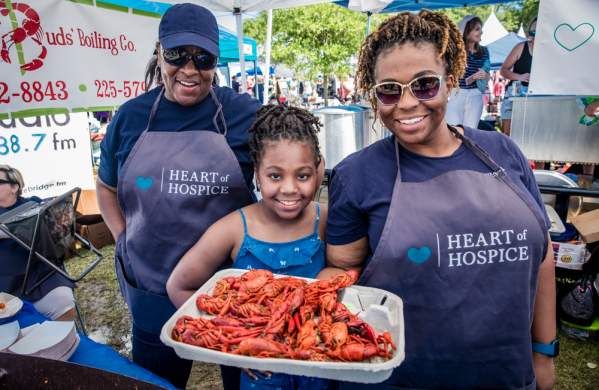
Crawfish Cook-off for a Cause on the Mandeville Lakefront
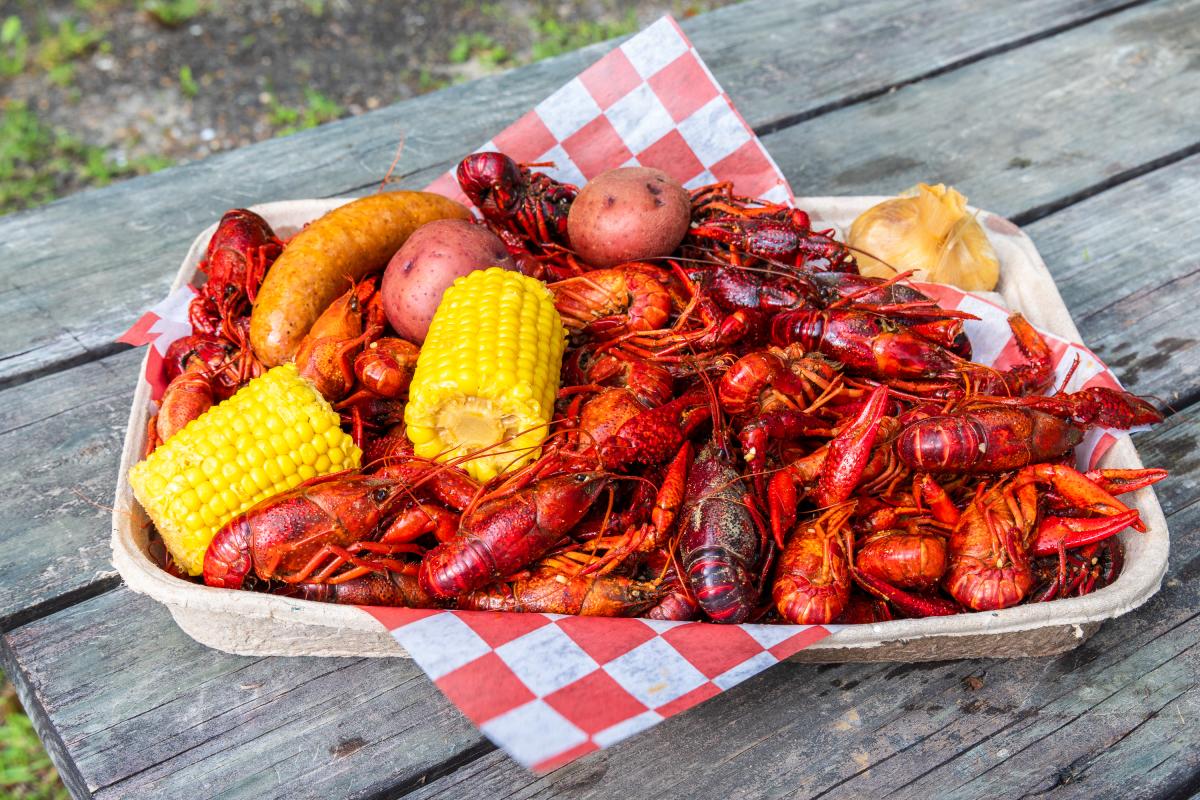
During peak crawfish season, around March, April and May, Louisianans celebrate spring with huge crawfish boils, cooking up 20- and 30-pound sacks of the crustaceans in cauldrons of spicy boiling water. There’s almost always crab boil (usually Zatarain’s) involved, as well as cayenne pepper, salt, and lemons, of course. Different cooks favor varied additions — corn on the cob, potatoes, mushrooms, whole garlic pods, and sausage, among them. The crawfish are often dumped, steaming, onto a long table that has been lined with newspaper. Family and friends gather around to feast, drink, dance, laugh, and repeat.
Louisiana’s Best Crawfish: Where to Find Them
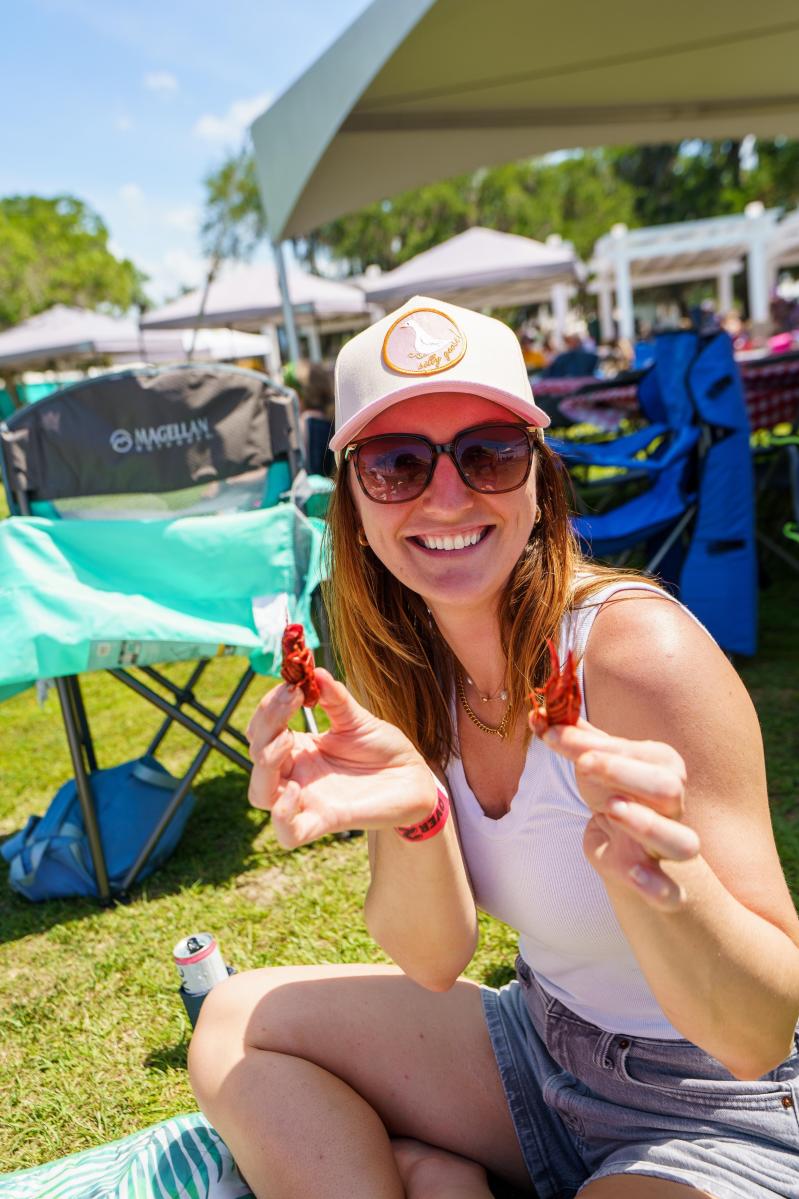
Crawfish Cook-off for a Cause at the Mandeville lakefront
If you’re visiting The Northshore, you’ll want to know where to find Louisiana’s best crawfish. From the small-town eateries to the more established restaurants, the area is filled with local joints serving up fresh crawfish.
Tour guides like Cajun Encounters in Slidell have tour captains who double as master boilers and can arrange crawfish boils for groups. Seafood markets and restaurants also get in on the action, selling hot, boiled crawfish by the pound. (Expect to eat, on average, 3-5 pounds each!) Crawfish aren’t just served boiled. You’ll find them in iconic Louisiana dishes like crawfish étouffée or silky bisque, thrown into fettuccine and other pasta dishes, as well as battered and fried.
Fun Facts About Crawfish
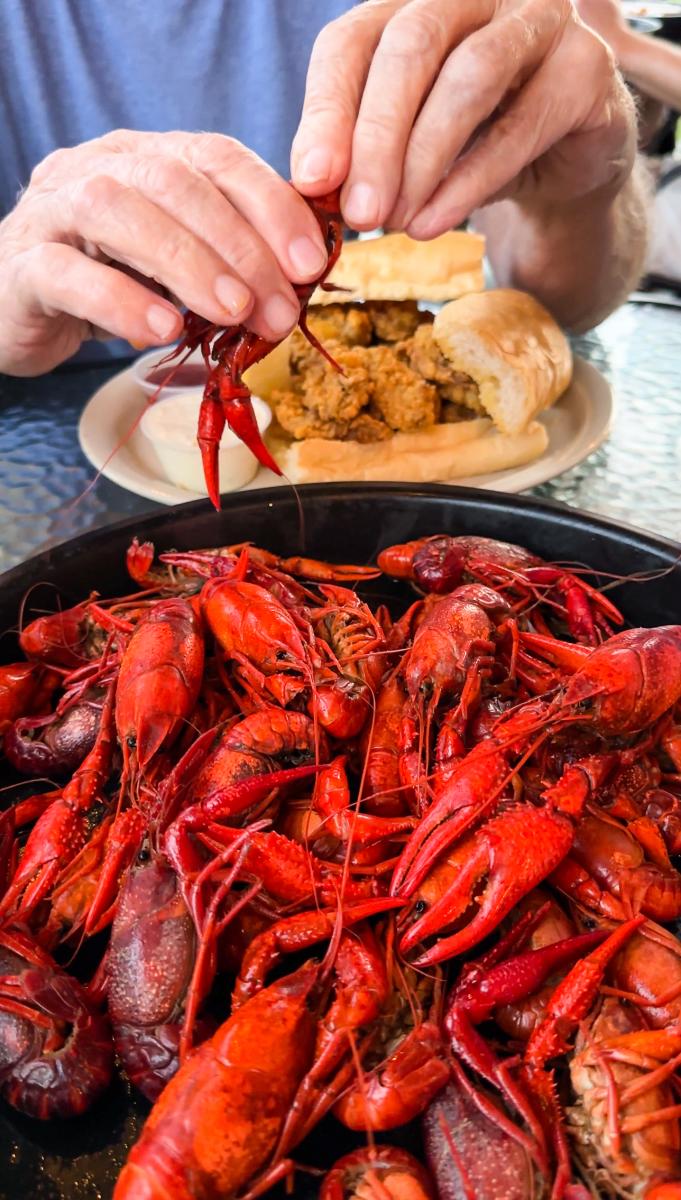
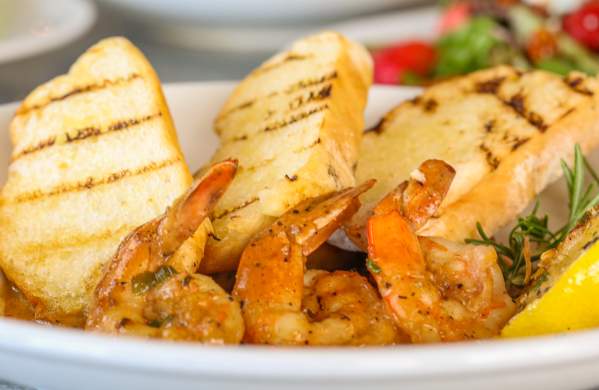
Morton's Seafood Restaurant in Madisonville
Crawfish, also known as crawdads or mudbugs, are fascinating creatures that thrive in Louisiana’s wetlands and play a crucial role in the local ecosystem. Here are some fun facts about crawfish that you might not know:
They’re Not Fish: Crawfish are actually crustaceans, closely related to lobsters and shrimp.
Color Changes: Before cooking, crawfish can be dark red—almost black—or light to dark brown with hints of yellow, green, or blue. After boiling, they turn that classic bright red.
Shedding Shells: Crawfish molt up to 15 times in their lives, shedding their shells as they grow bigger each time.
Quick Escape: While they walk forward, crawfish can swim backward at lightning speed when they need to make a quick getaway.
Varied Diet: Crawfish are omnivores, munching on plants, insects, snails, and even decaying organic matter.
Eco-Friendly Creatures: Crawfish can’t survive in polluted water, so their presence is a good sign of a healthy ecosystem.
Breathing Underwater: They have gills to breathe underwater but can survive for short periods out of the water as well.
Egg-Carrying Moms: Female crawfish carry their fertilized eggs on their abdomen until they hatch, ensuring the next generation gets a head start.
Yes, We Really Suck the Heads: Some say this pool of flavorful juices is the best part.
Where to Get Crawfish for Good Friday and Beyond
Looking for crawfish on Good Friday? You’re in luck. Many local seafood markets and restaurants across St. Tammany Parish will be serving up fresh, boiled crawfish, perfect for gathering with family and friends.
- Pearl’s Seafood Market & Restaurant
502 Gause Blvd, Slidell, LA 70458 - Morton’s Seafood
702 Water St, Madisonville, LA - Kelly’s Coastal Cabana
124 Girod St, Mandeville, LA 70448
Serves boiled crawfish on weekends - Kenney Seafood
400 Pontchartrain Dr, Slidell, LA - Mandeville Seafood Market & Eatery
2020 LA-59, Mandeville, LA - Peck’s Seafood
2315 Gause Blvd E, Slidell, LA - Bateaus Seafood
69282 LA-59, Mandeville, LA 70471 - Northlake Seafood
770 LA-59, Mandeville, LA 70441 - The Crab Man Plus
68090 LA-59, Mandeville, LA 70471 - Bayou Boil 'N Geaux
1512 N Hwy 190, Covington, LA 70433 - New Orleans Style Seafood Restaurant & Market
1536 N Hwy 190, Covington, LA 70433 - Pat's Seafood Market and Cajun Deli
1248 N Collins Blvd, Covington, LA 70433 - Columbia Street Seafood
1123 N Columbia St, Covington, LA 70433 - Drive Thru Seafood
2600 Florida St, Mandeville, LA 70448 - Fiery Crab Seafood Restaurant & Bar
176 Town Center Pkwy, Slidell, LA 70458 - Slidell Seafood
1001 Hwy 190 W, Slidell, LA 70458 - Don's Seafood Covington
126 Lake Dr, Covington, LA 70433 - House of Seafood
81790 LA-21, Bush, LA 70431 - Orlin's Seafood and Daiquiris
15507 Ronald Reagan Hwy, Covington, LA 70433 - Da Crab Trap
28152 US-190, Lacombe, LA 70445
Celebrate Crawfish Season in St. Tammany
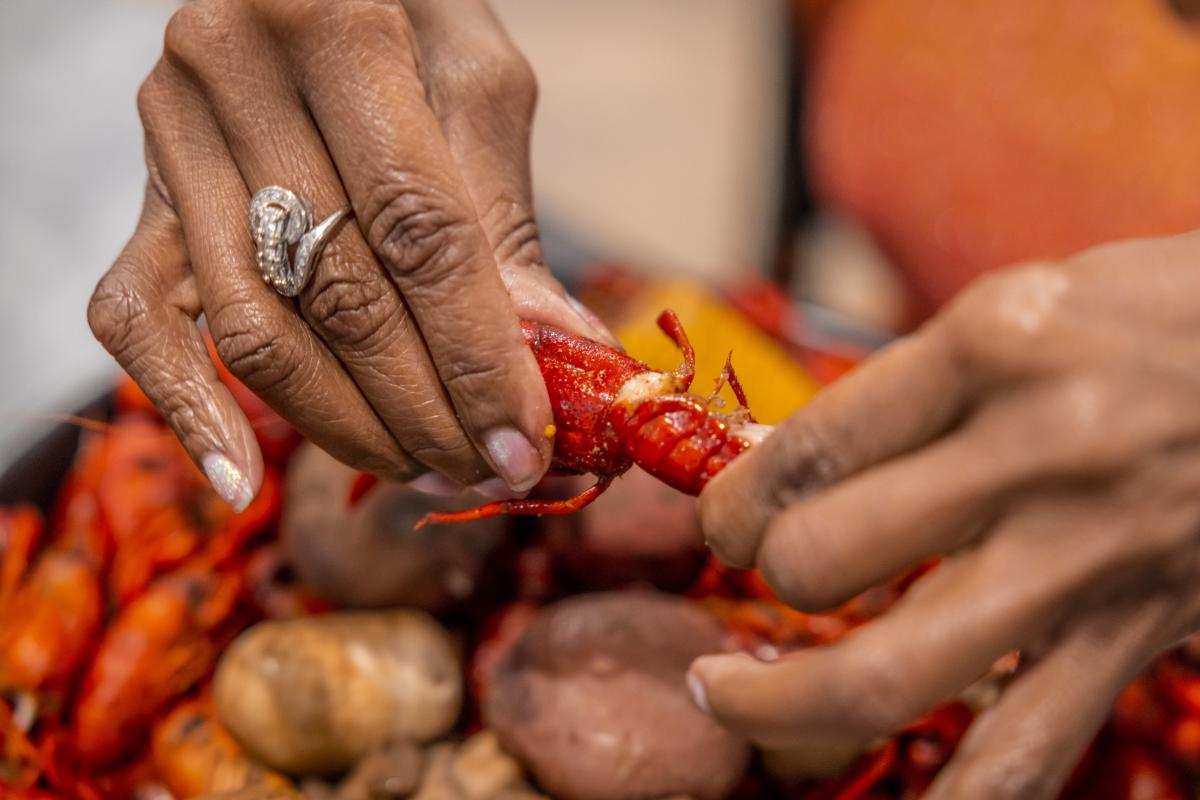
There’s quite literally no better place on Earth to enjoy crawfish season than The Northshore. Enjoy your crawfish feast with live music, local Abita brews, and a sunset view along the bayou, and you’re in for the quintessential Louisiana experience. Whether you’re a first-time visitor or a seasoned crawfish connoisseur, St. Tammany is the ultimate destination to savor the flavors of the season.