
Each year, National Travel and Tourism Week--the first full week in May--and National Tourism Month celebrate the role travel plays in supporting local businesses, jobs, and communities. At Visit The Northshore's Visitor Center in Mandeville, that impact shows up in everyday moments: helping road trippers find a great lunch spot, pointing cyclists toward scenic trails, introducing visitors to local festivals and live music, or simply offering a quiet place to stretch their legs or enjoy a picnic among the trees.
More Than a Visitor Center: Comfort, Hospitality and Natural Beauty
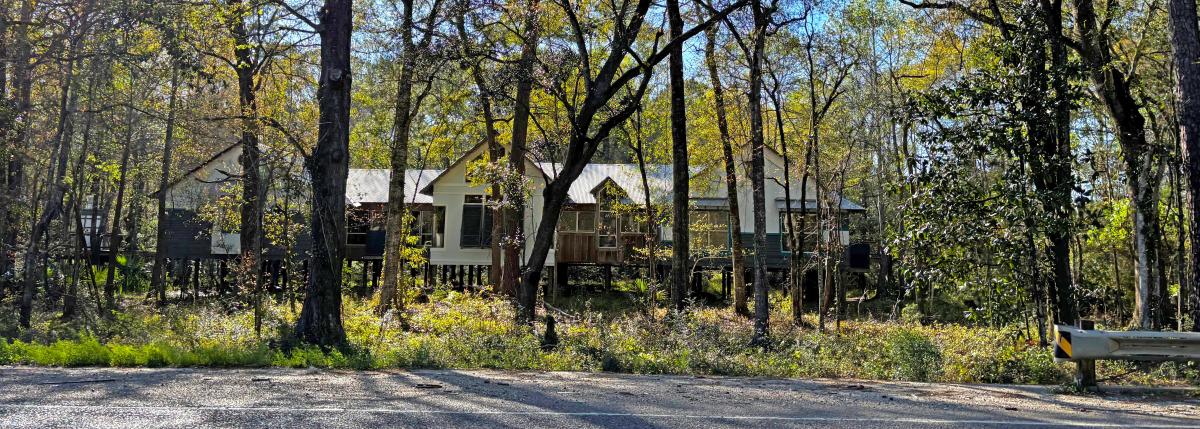
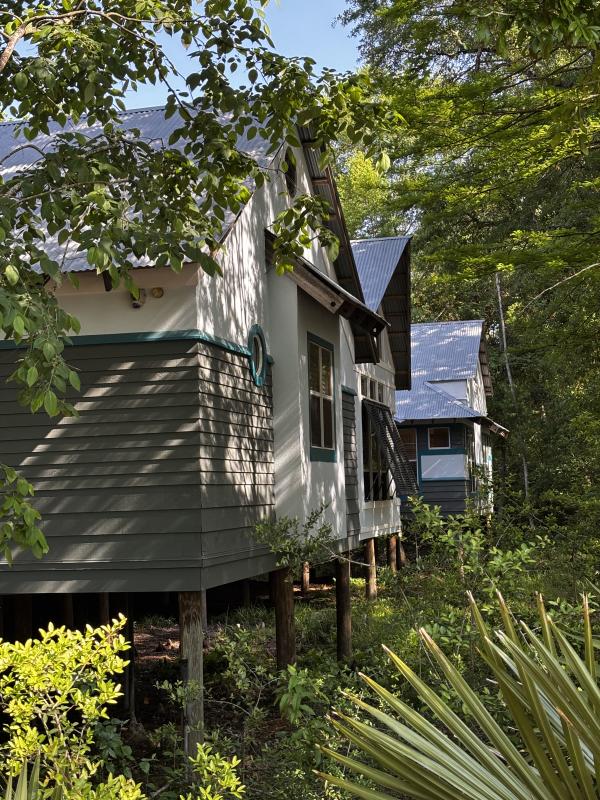
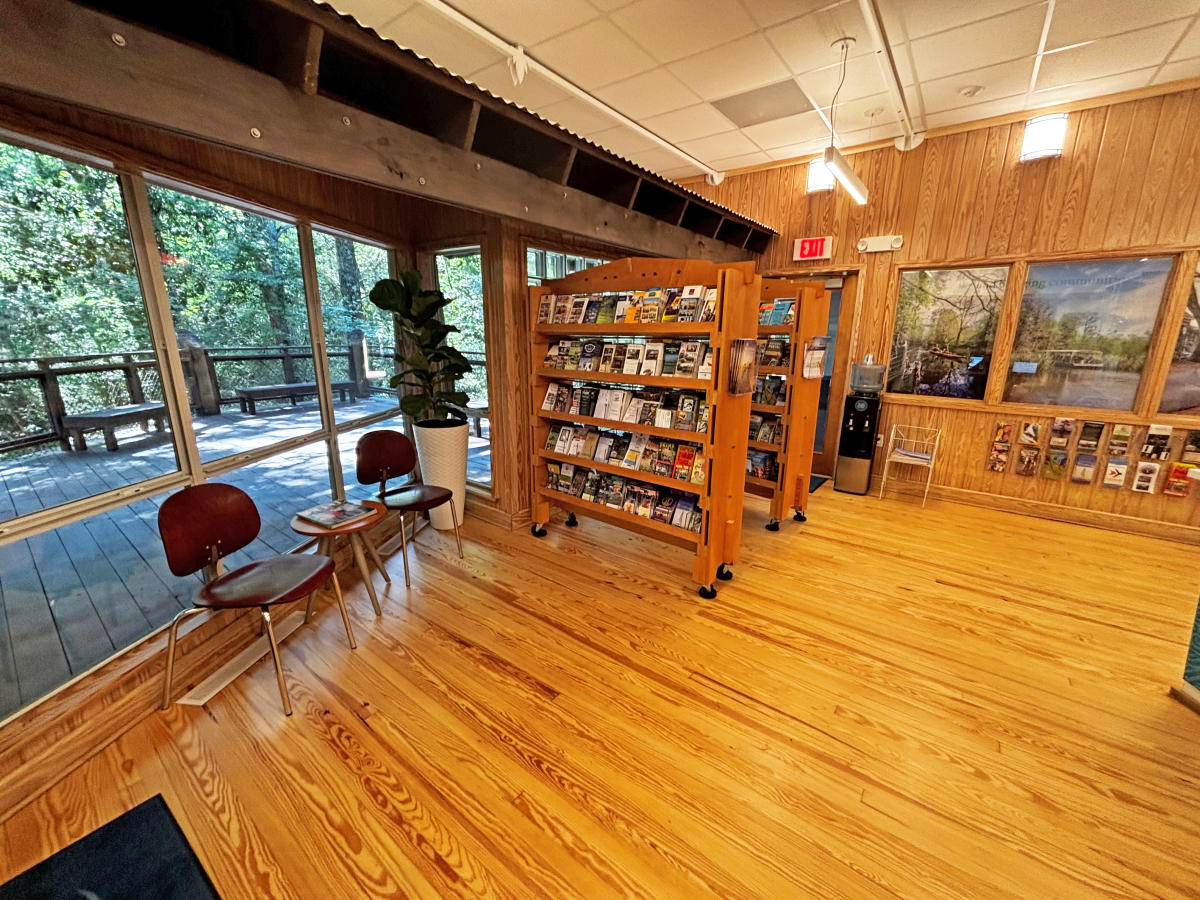
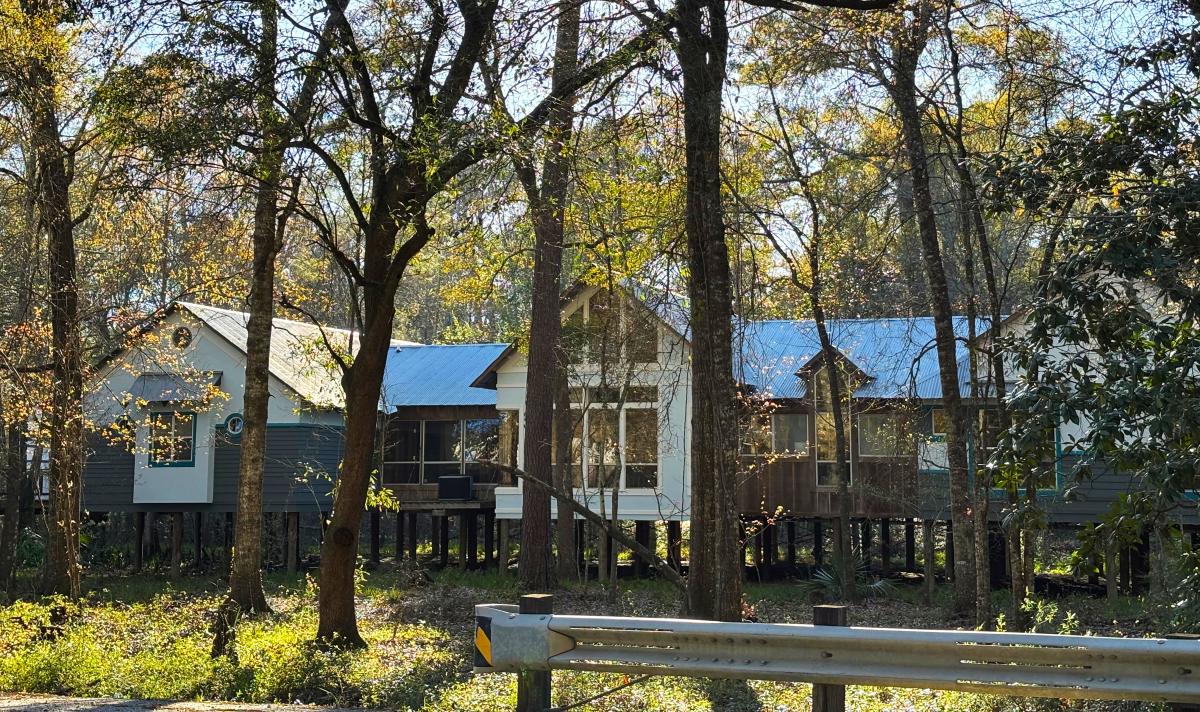
As Visit The Northshore approaches its 50th anniversary in November 2026, our visitor center remains many travelers’ first introduction to St. Tammany Parish. Tucked into the woods on La. Highway 59, just north of I-12 Exit 65, the center offers local recommendations, traveler comforts and an unexpectedly peaceful setting surrounded by lush plants and trees, songbirds, and small wildlife, all accessible from a long boardwalk that winds its way around the building. Following a major interior renovation completed in 2025, the refreshed space continues welcoming visitors while preserving the rustic, nature-connected character that has long made it memorable.
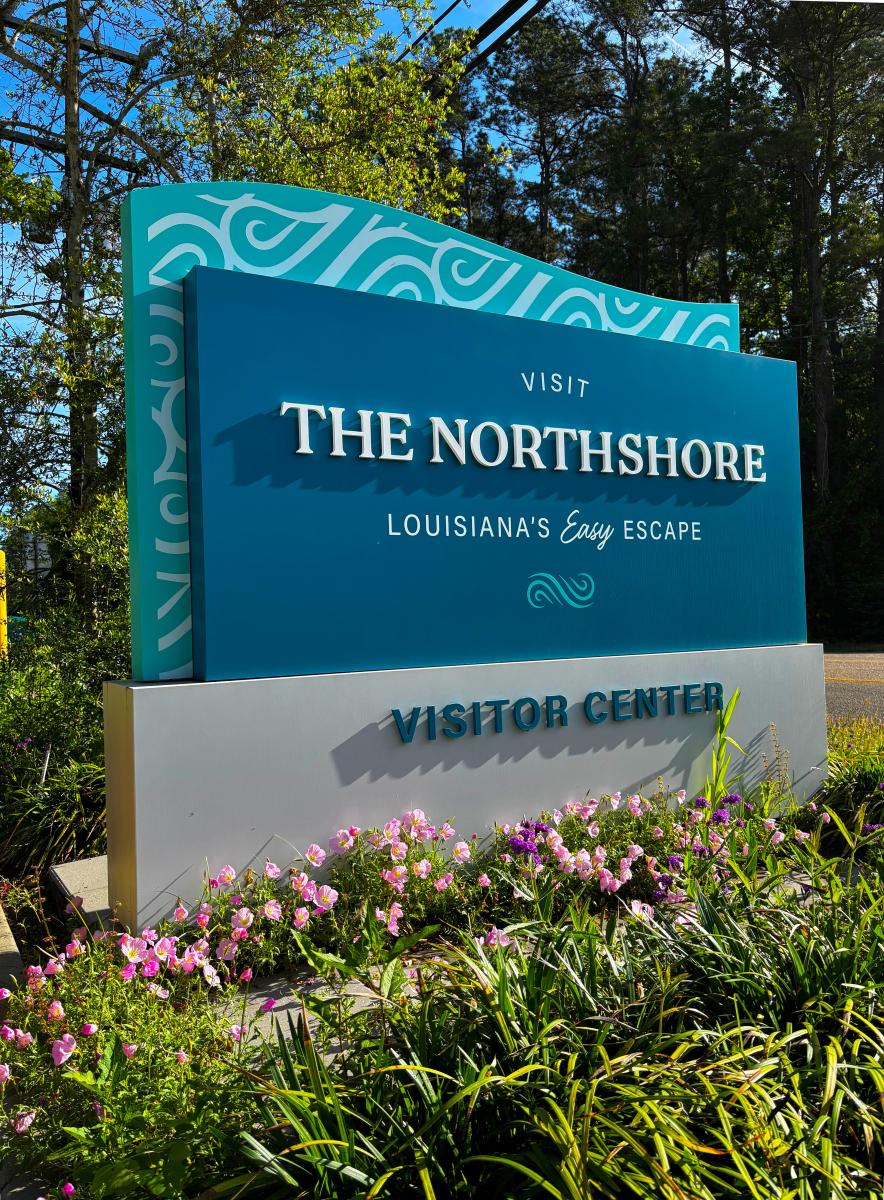
Pink evening primrose, rigid verbena and monkey grass
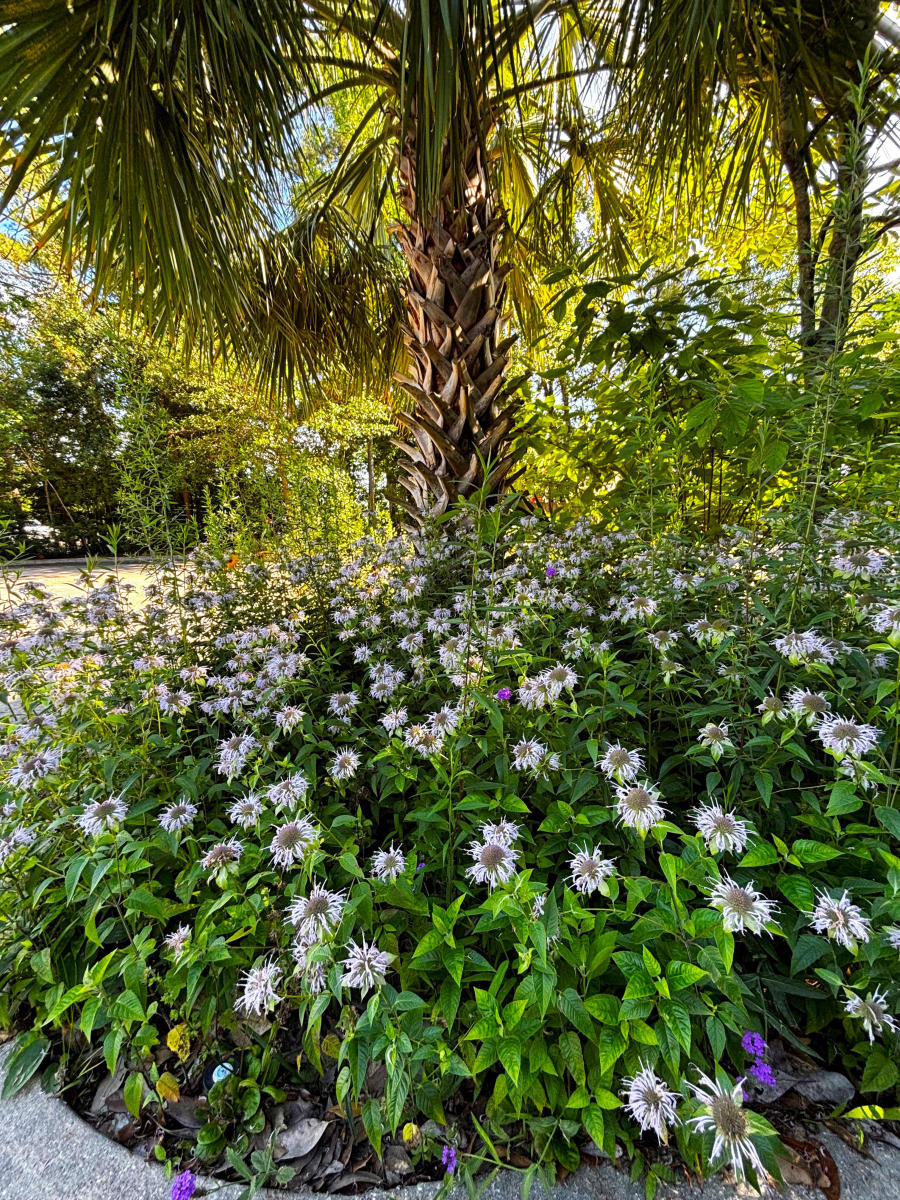
Cabbage palm (Sabal palmetto) and bee balm (Monarda spp.), also known as wild bergamot (Monarda fistulosa)
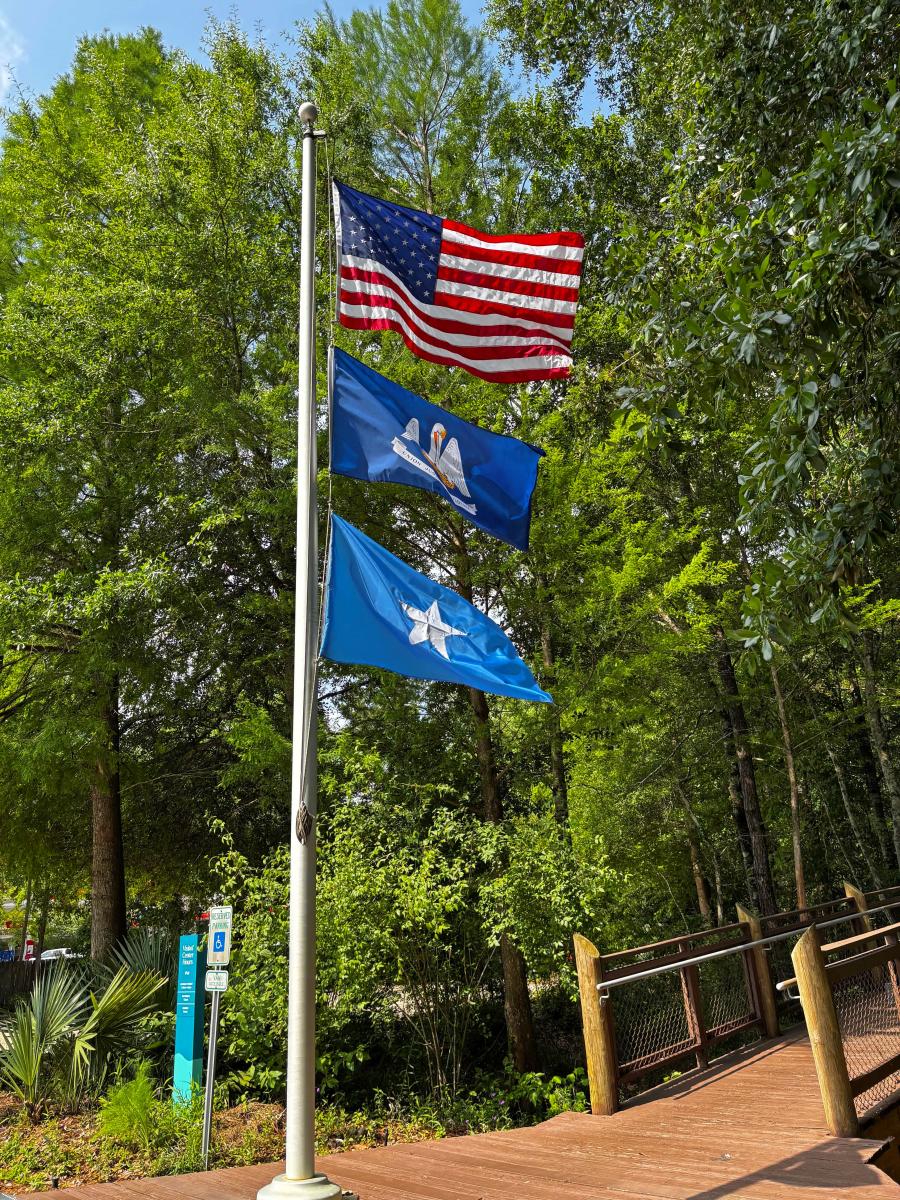
The boardwalk entrance is marked by American, Louisiana and Bonnie Blue flags, a nod to the short-lived Republic of West Florida, which included St. Tammany Parish.
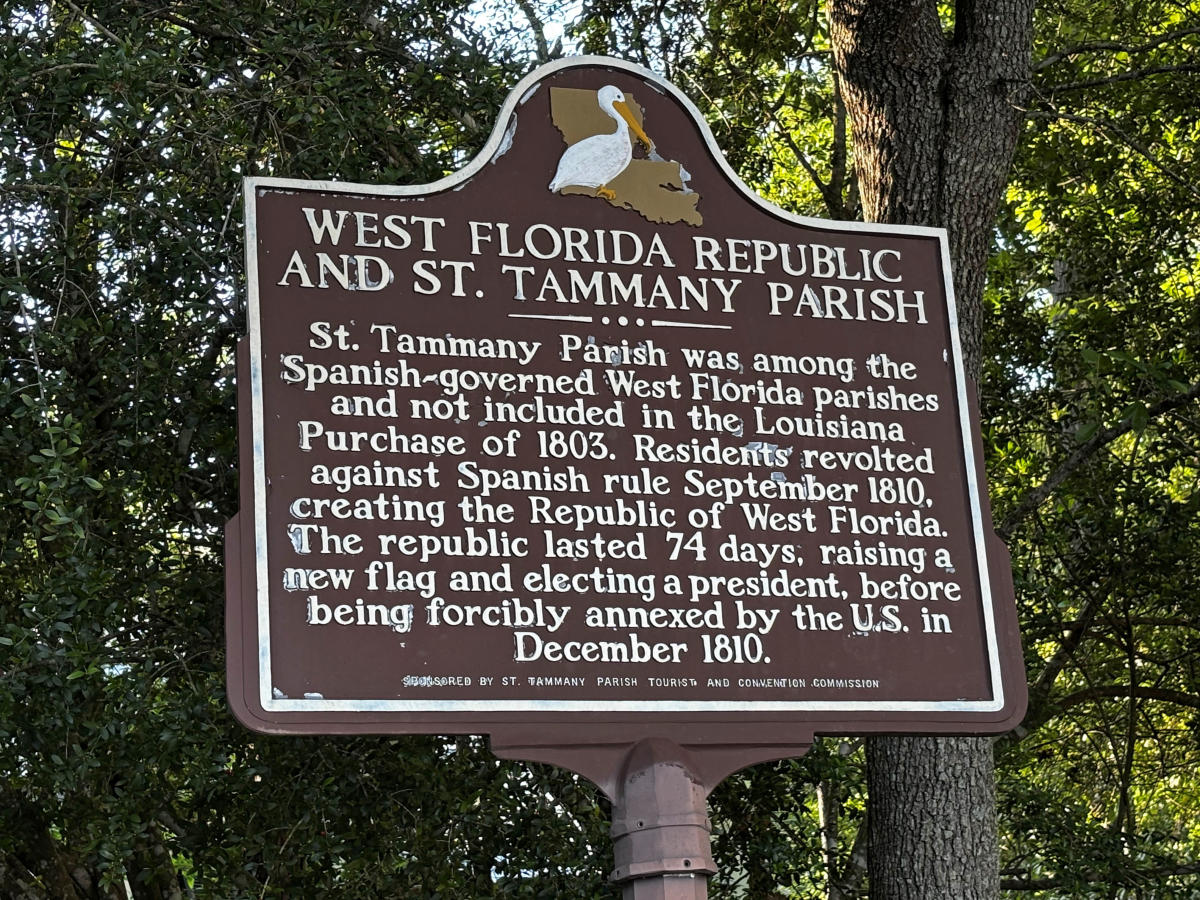
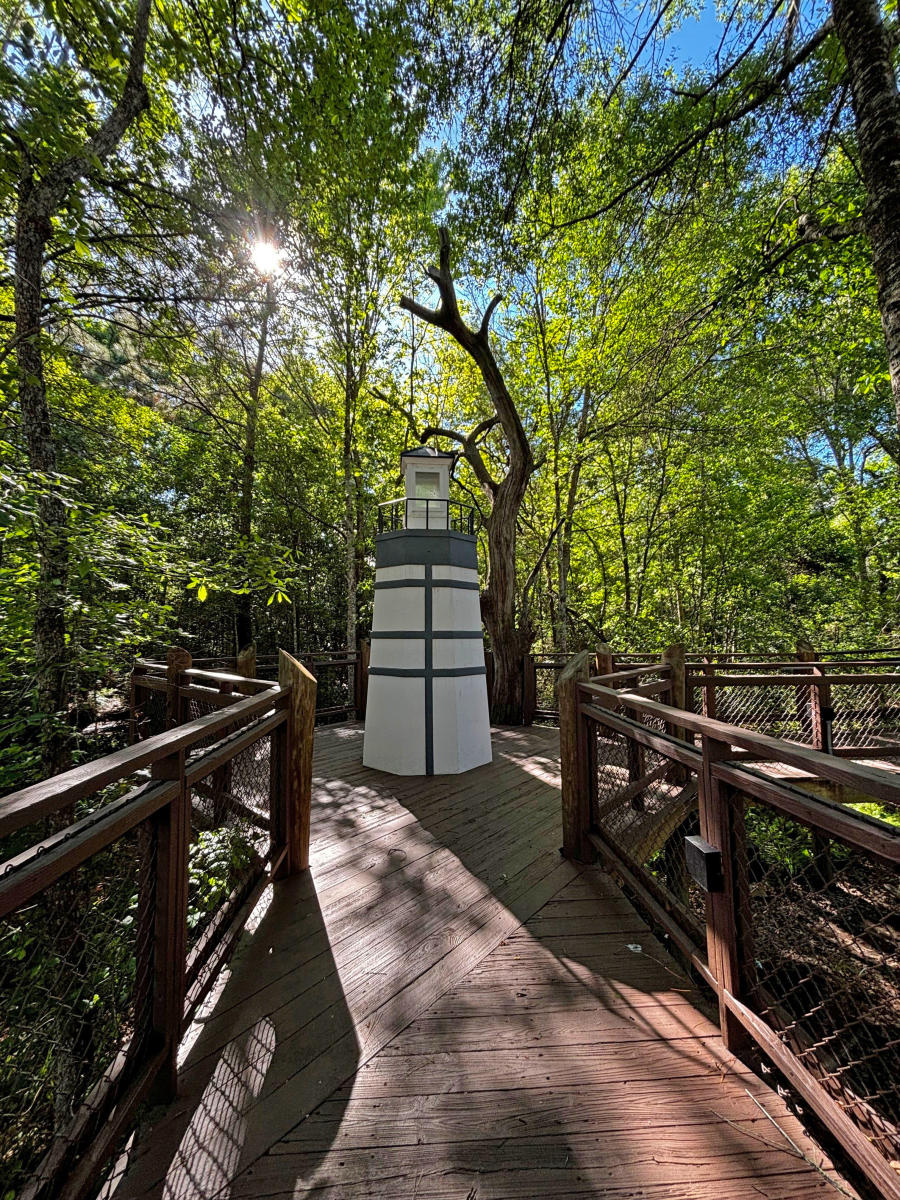
A new lighthouse-inspired feature now welcomes visitors along the boardwalk, replacing the center’s longtime event kiosk.
Comforts, Curiosities and Local Guidance
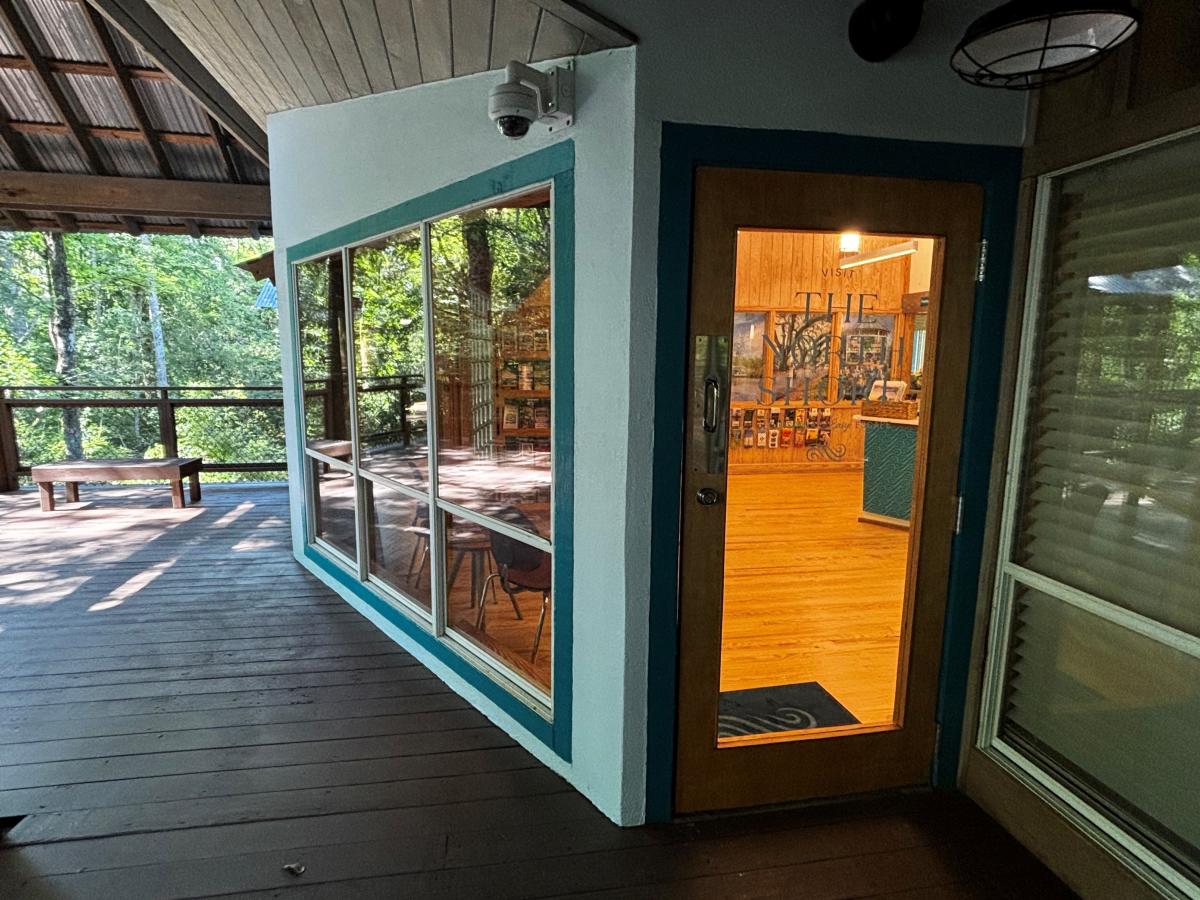
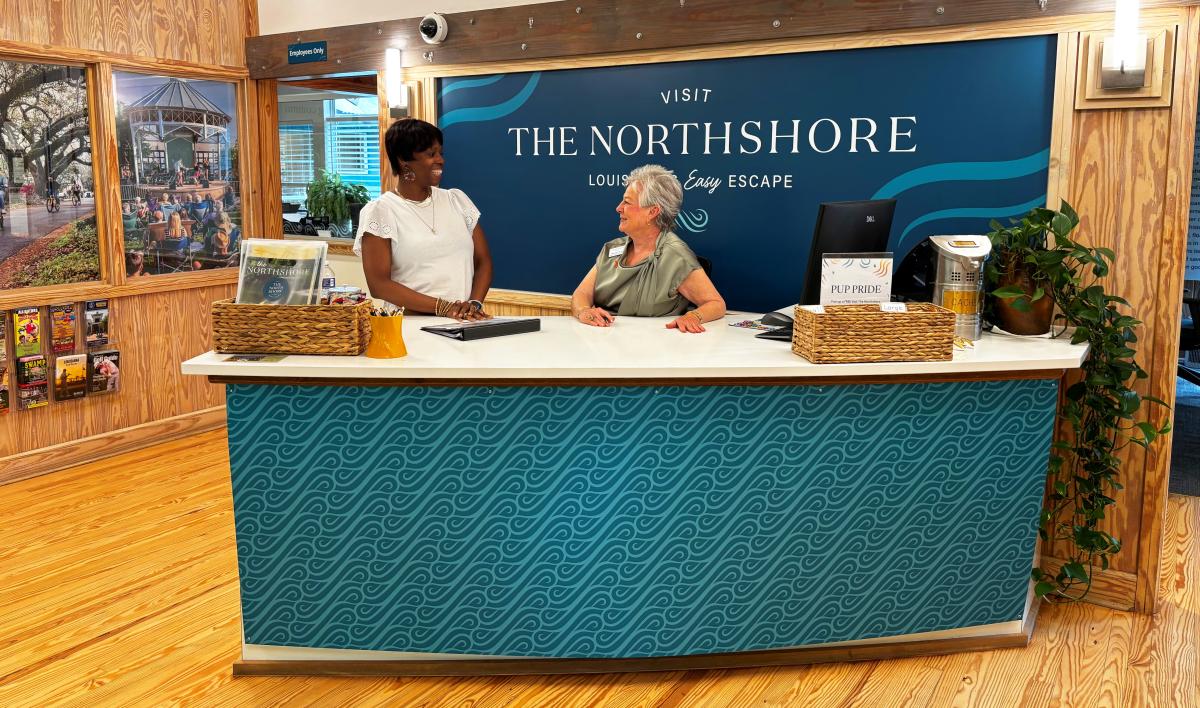
Inside the lobby, Visitor Services staff help guests plan their stay with area maps, brochures for local and statewide attractions, and magazines highlighting regional culture. Visitors can relax in lobby seating, enjoy complimentary coffee, cold water or sodas, and watch a looping video showcasing scenes from across The Northshore.
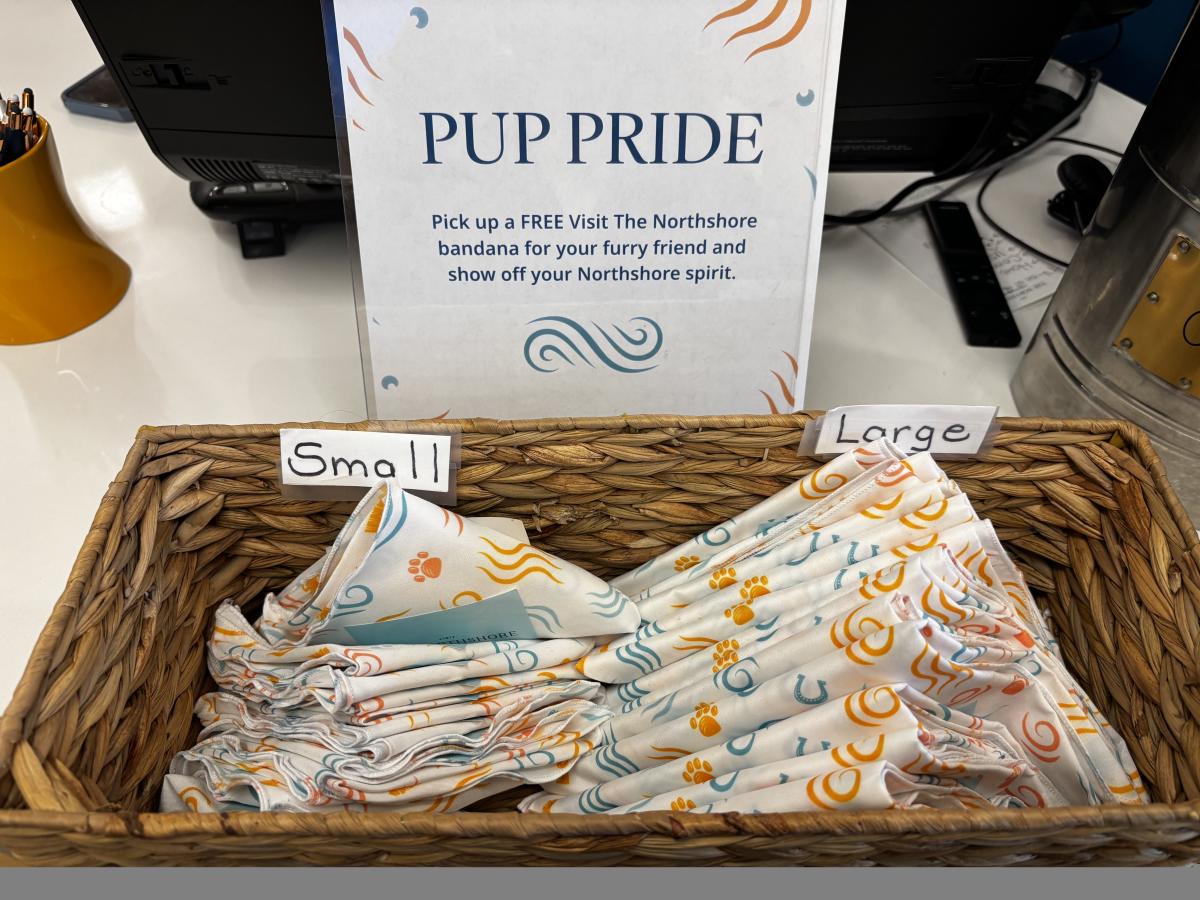
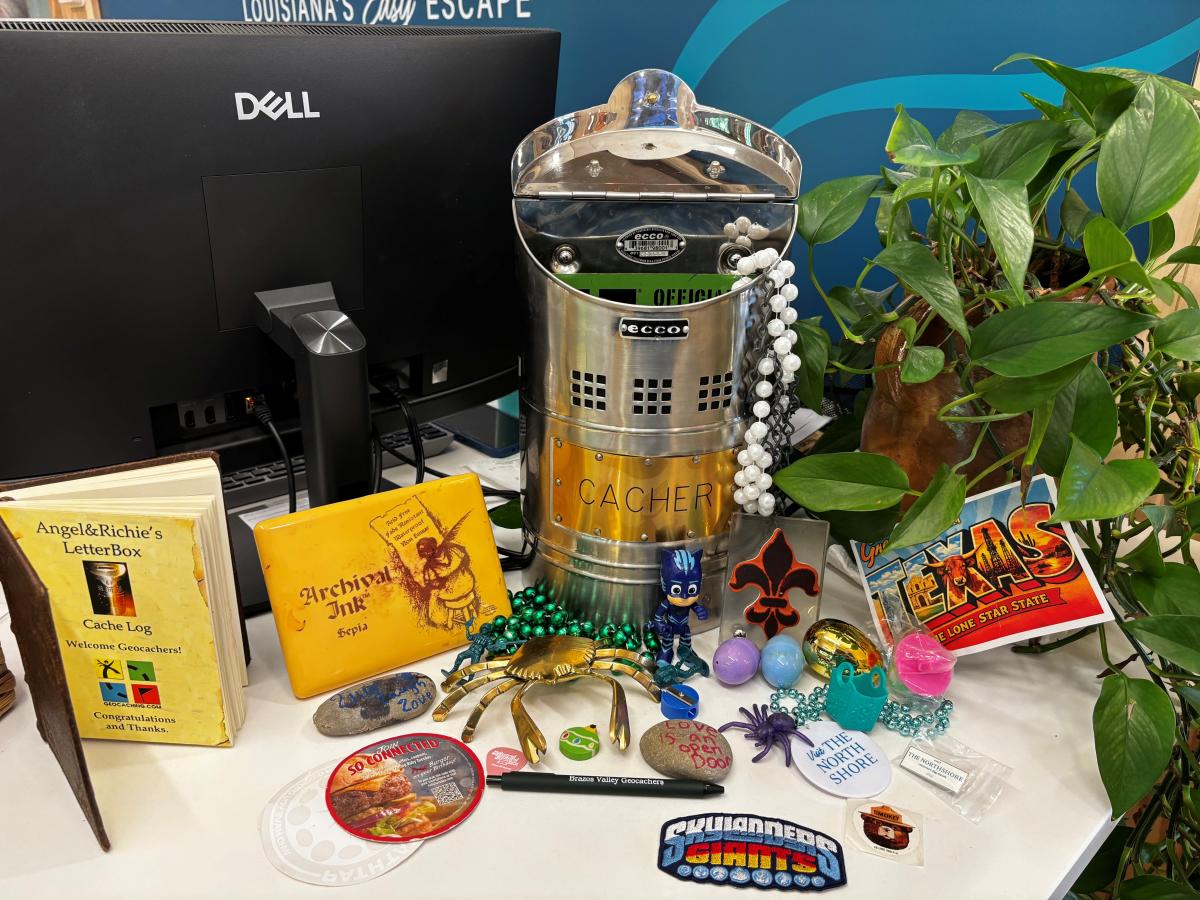
Four-legged travelers are welcome, too, with free Visit The Northshore bandanas available at the front desk for both large dogs and smaller pets, including cats. Visitors who enjoy geocaching can also discover a hidden geocache container installed in 2007. Since then, 30 geocachers from 15 states and six Louisiana cities have left behind small keepsakes and travel tokens from their journeys.
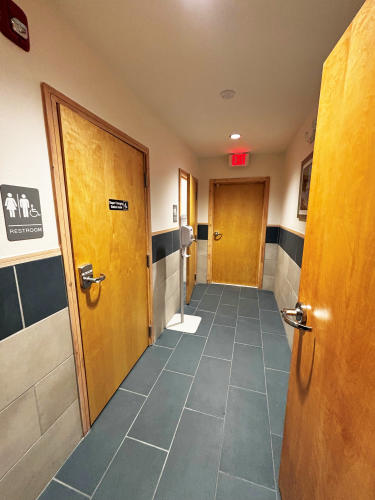
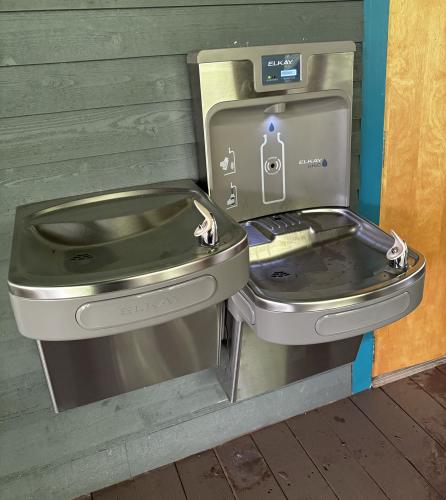
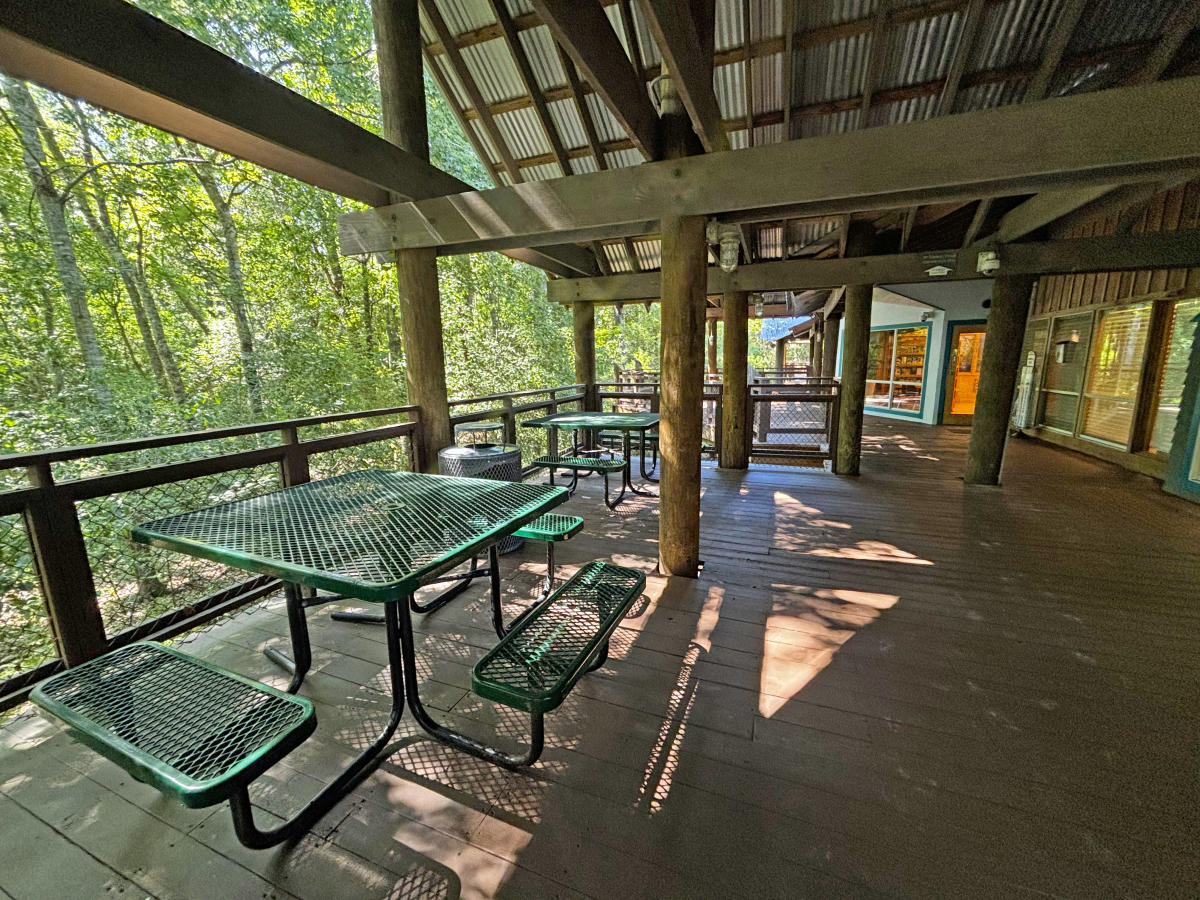
Practical comforts matter, too. The recently renovated property includes updated single-occupancy restrooms, including one with a changing table, along with water fountains and a bottle refill station that tracks how many disposable bottles have been saved from the landfill. Picnic tables offer a shady place for a snack break, while grassy areas around the parking lot give pets room to stretch their legs.
Eye Level with the Trees, Grounded in Water
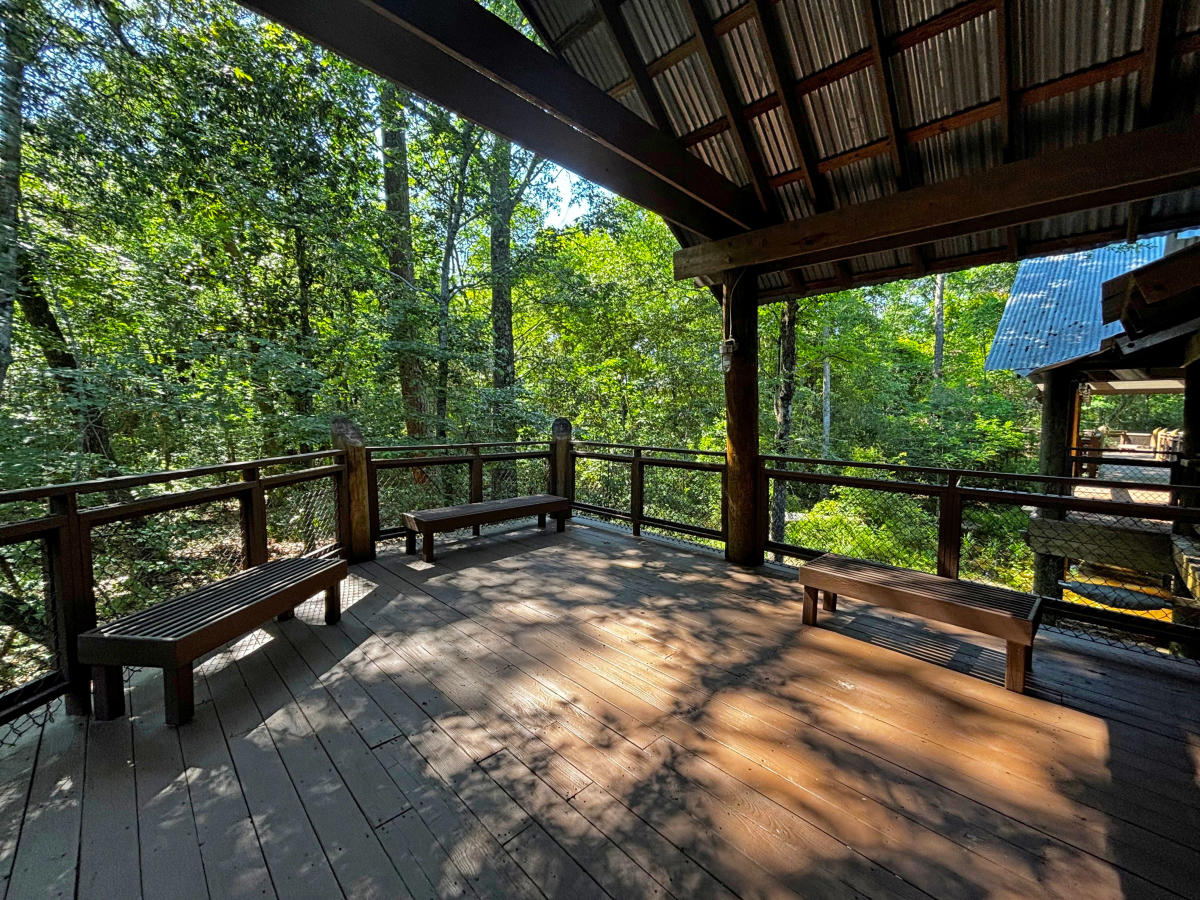
Step outside, and the experience becomes even more memorable. A covered deck and raised boardwalk overlook a native bottomland hardwood swamp, allowing visitors to safely enjoy wetland scenery without disturbing the habitat.
The center’s tin roof — gloriously noisy in a rainstorm — sits beneath towering pines, while large windows and surrounding decks keep the woods constantly in view. Because the building rises above the low, swampy ground, visitors experience the landscape at eye level with the understory, creating the feeling of being immersed in nature even while indoors.
Benches placed along the route invite guests to pause, listen to birdsong and take in the view of the creek that winds through the property before joining the larger watershed.
Year-round, you may observe Northern cardinals, blue jays, chickadees, wrens, woodpeckers, titmice, warblers, vireos, crows and thrushes--not to mention the occasional red-shouldered hawk or barred owl. Although the center is on a busy highway near a busier interstate, avid birders will tell you, Mandeville is in the Mississippi flyway, so you're bound to encounter many more species during spring and fall migrations. (*Scroll to bottom to view a list of birds observed at the center.)
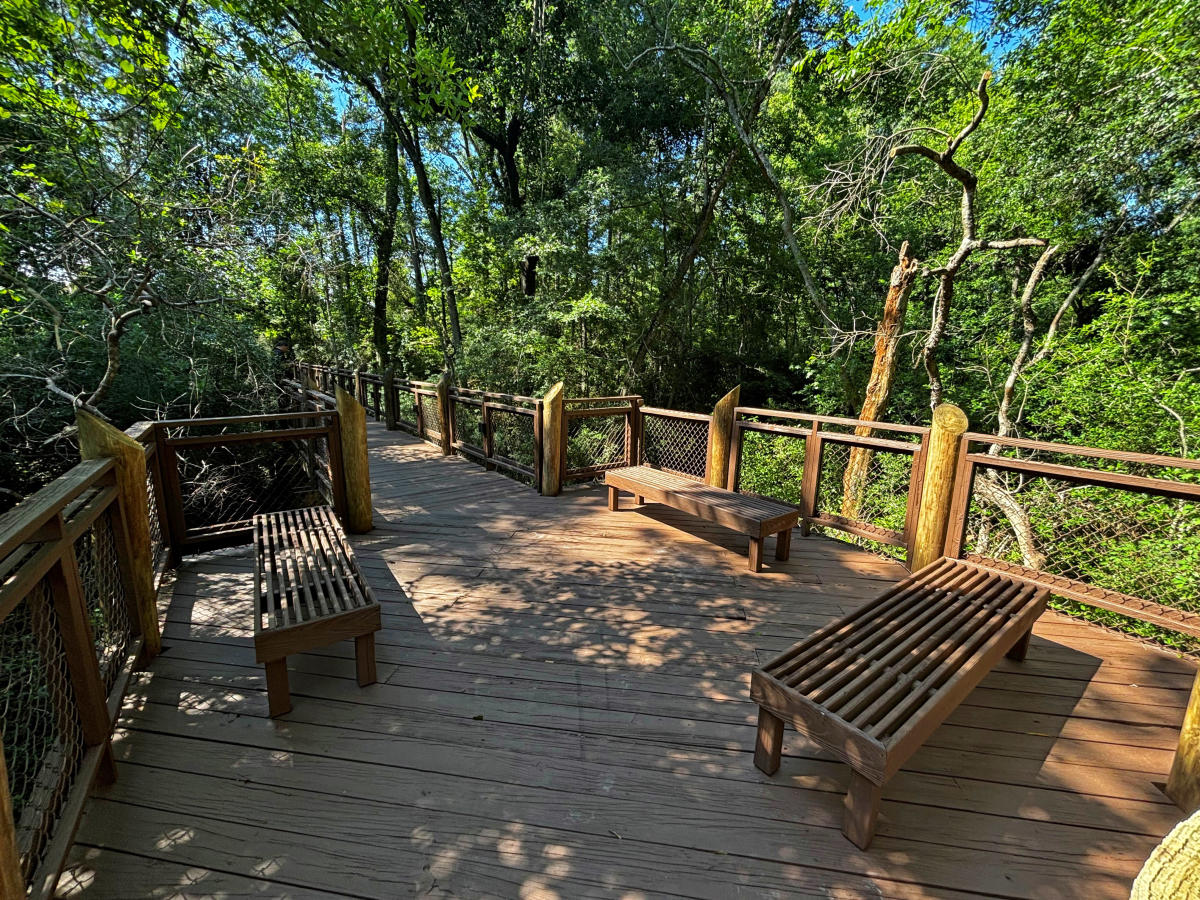
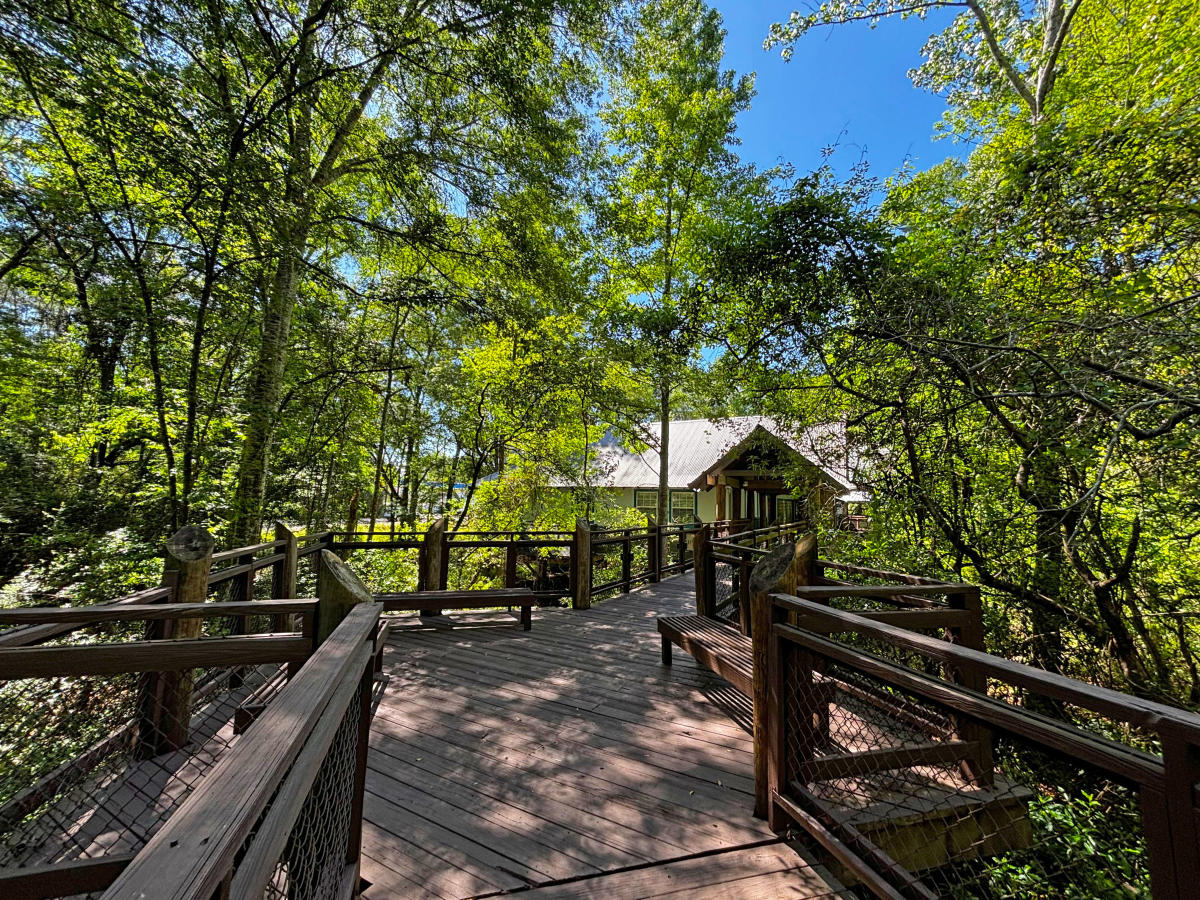
A Boardwalk through the Wetlands
During periods of especially heavy rain, the creek naturally spills into the surrounding swamp below the visitor center before slowly draining back into the Bogue Falaya watershed, a reminder of the close relationship between South Louisiana communities and water. Built on pilings above the wetlands, the center was designed to coexist with the changing landscape around it. Generous rains help create a lush environment where something vibrant and fragrant blooms (true all over St. Tammany) every month of the year.
Cypress, live oak, yaupon holly, magnolia, gum, palmetto, wild azalea, arrowood, French mulberry and mayhaw surround the property, while dense layers of broad leaves, fallen branches and lush netted chain and Southern shield ferns blanket the swamp floor, punctuated by cypress knees. From the boardwalk, look for the ever-changing mossy stump covered in bracket fungi, where decay becomes part of the swamp ecosystem’s renewal.
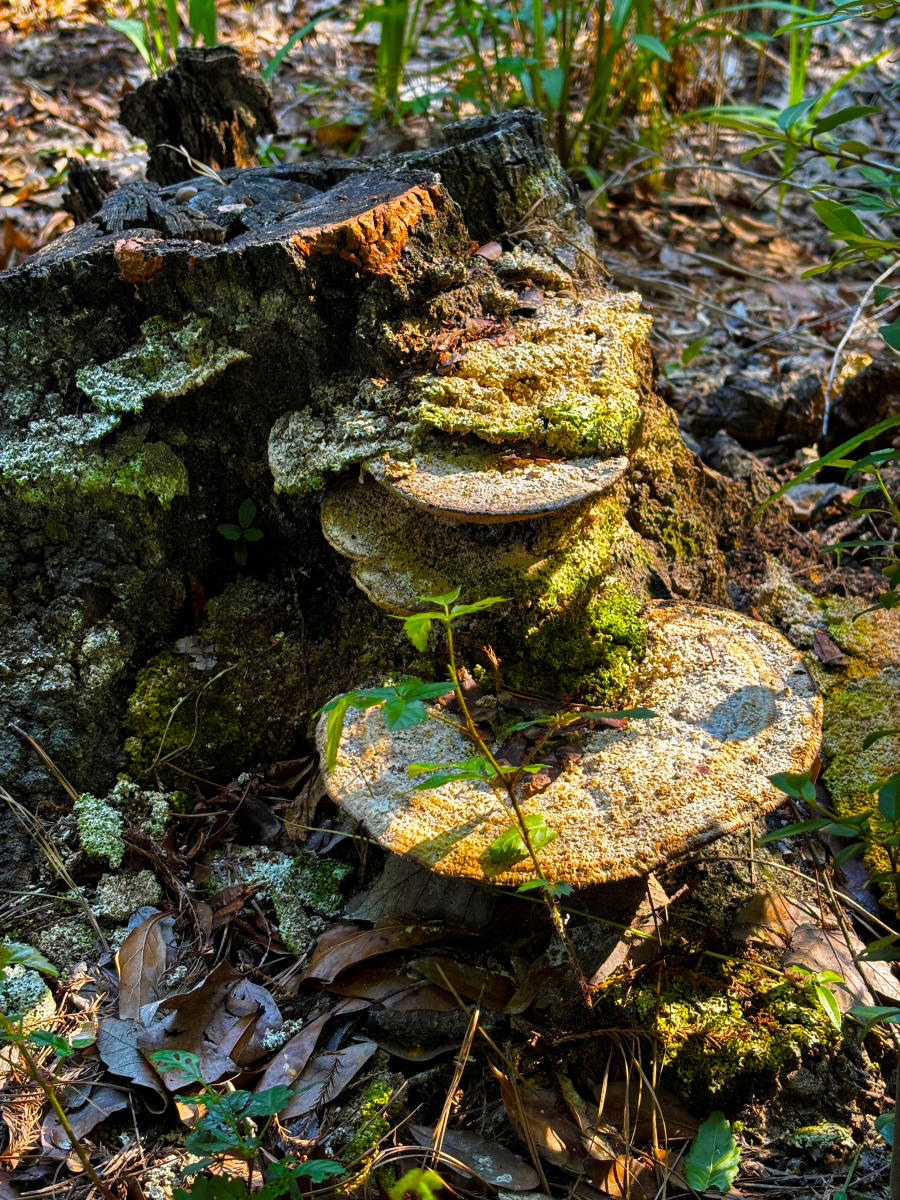
Dryad's Saddle bracket fungi (Cerioporus squamosus) on oak (Quercus)
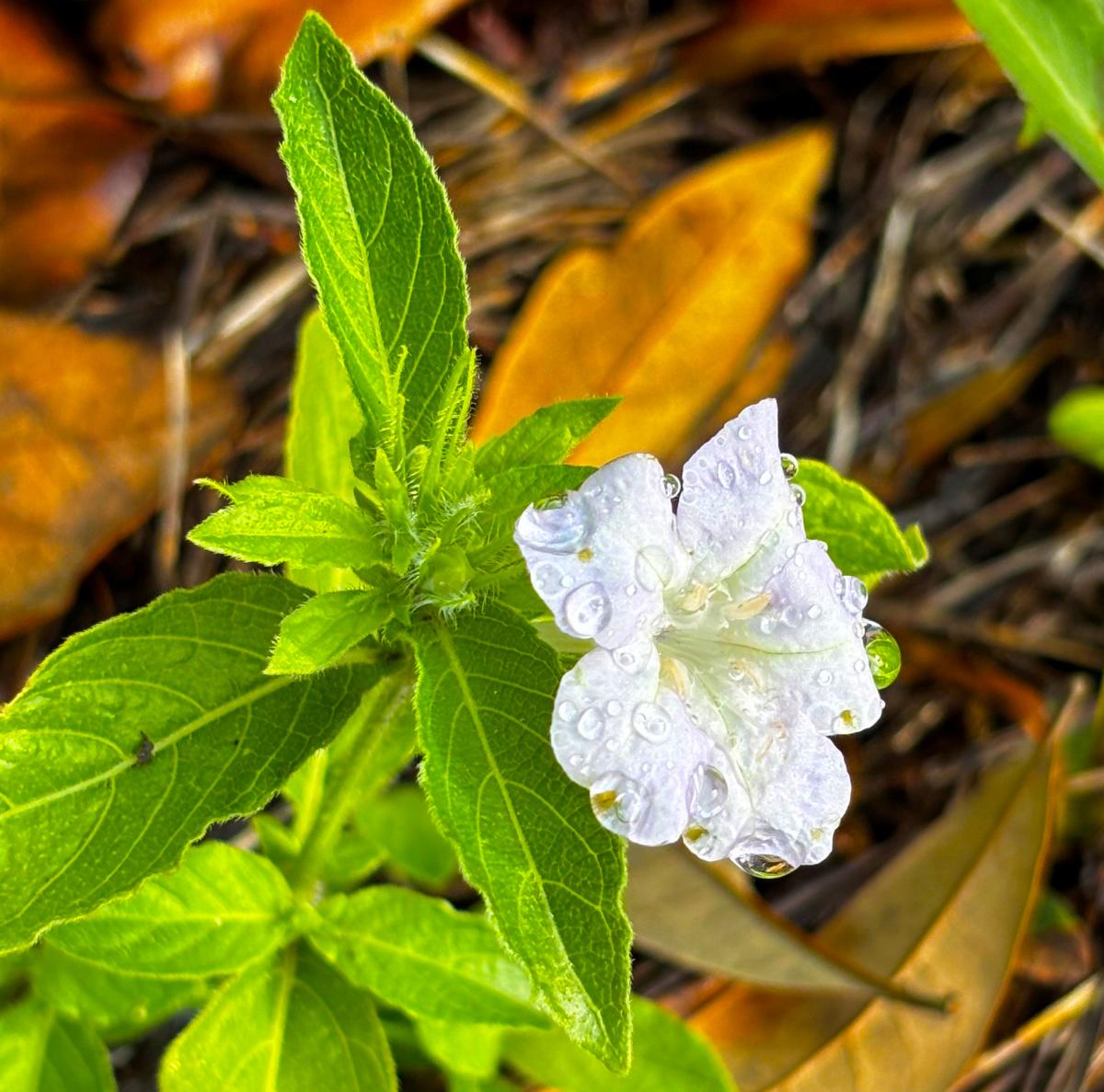
Wild petunia/prairie petunia (Ruellia humilis)
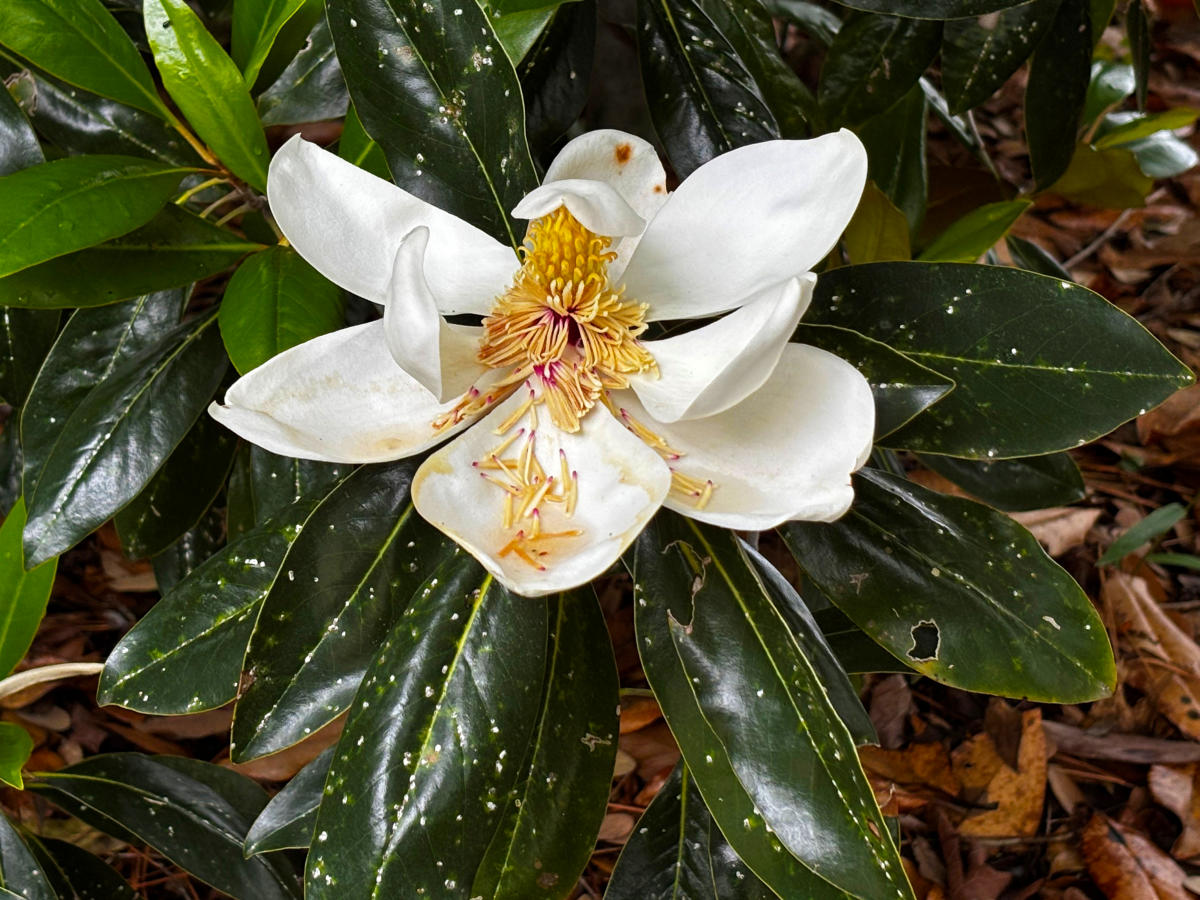
Southern magnolia (Magnolia grandiflora)
Native Blooms & Pollinator Gardens
The surrounding landscape is intentionally planted with mostly species selected to thrive in South Louisiana while supporting local habitat, especially pollinators. Depending on the season, guests may spot blooms including: American beautyberry, ashy sunflower, bee balm, black-eyed Susan, Brazilian verbena, cardinal flower, columbine varieties, coral bean, dill, gaillardia, lantana, lyreleaf sage, mistflower, narrowleaf sunflower, orange coneflower, oxeye daisy, pink evening primrose, rigid verbena, rosinweed, scarlet rosemallow, Turk’s cap mallow, white daisy fleabane, white wild indigo and wild petunia (scroll to bottom for scientific names). Most are native to Louisiana and perennial, while others simply grow well in the climate, like oxeye daisy, or are annuals, like the columbine hybrids.
Wildlife sightings are part of the charm. Songbirds, bees, butterflies, turtles, tree frogs, green anoles, skinks, raccoons, flying squirrels, gray squirrels and the occasional river otter or armadillo remind visitors that nature is never far away on The Northshore.
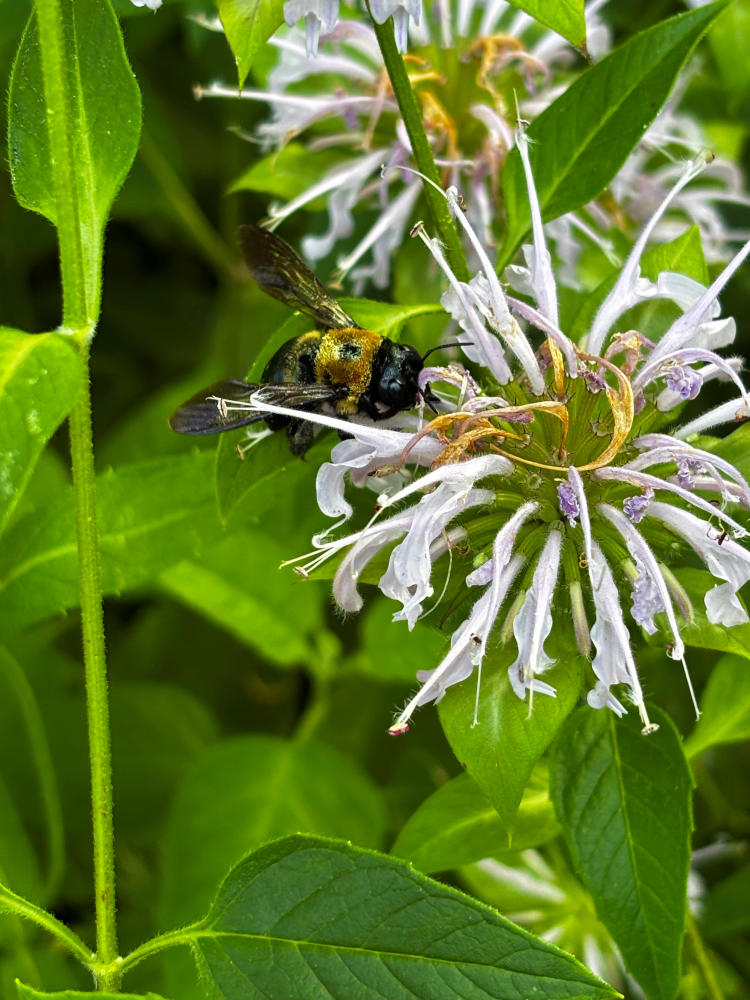
Wild bergamot (Monarda fistulosa) or bee balm, with carpenter bee (Xylocopa virginica)
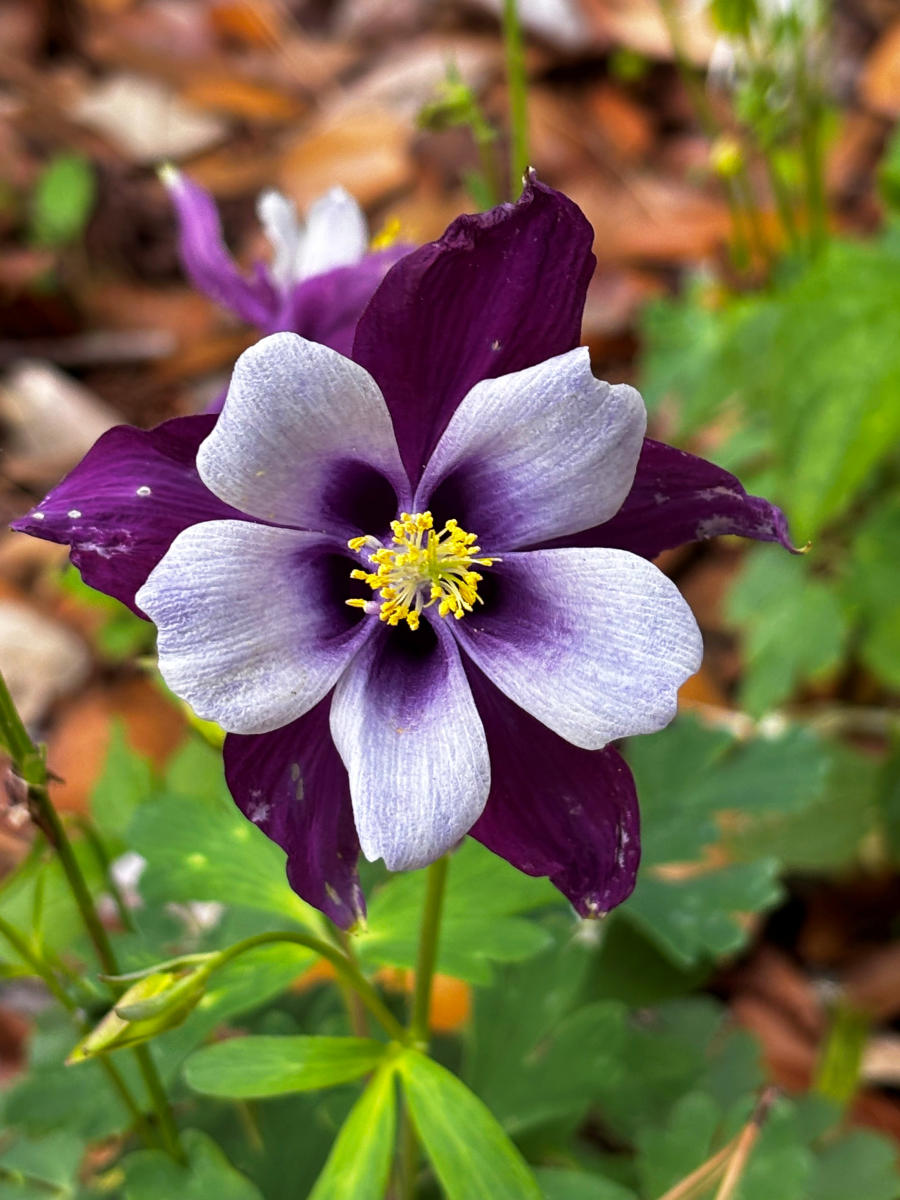
Purple and white swan columbine (Aquilegia vulgaris)
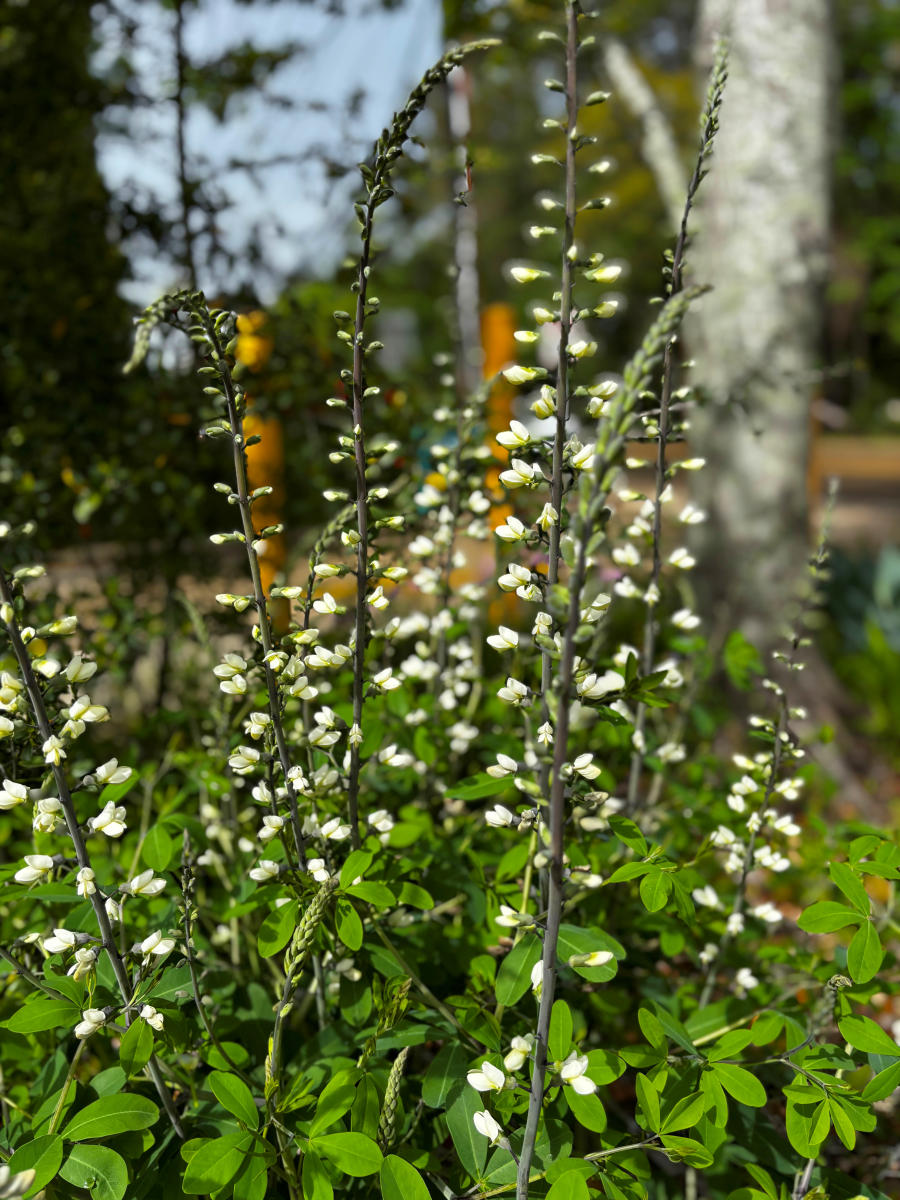
White wild indigo (Baptisia alba)
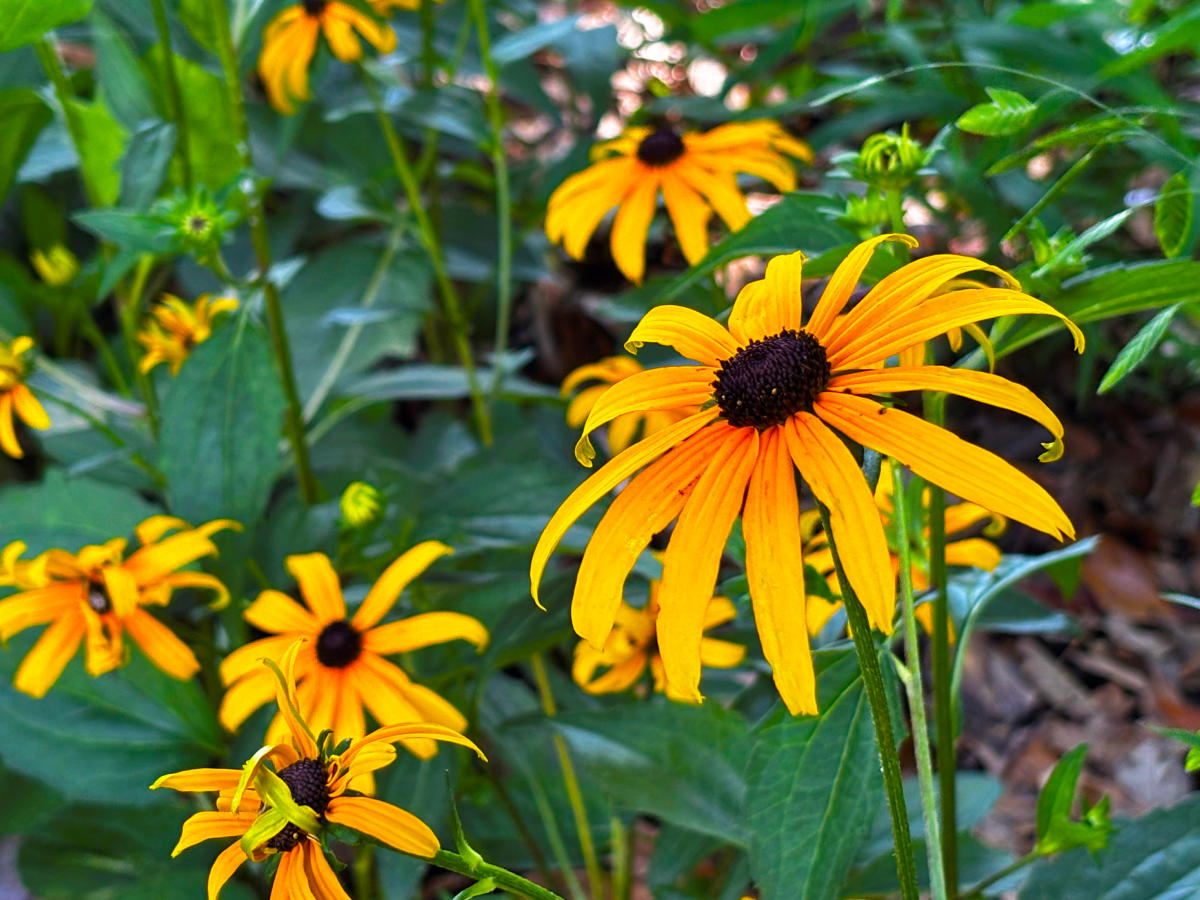
Black-eyed Susan (Rudbeckia hirta)
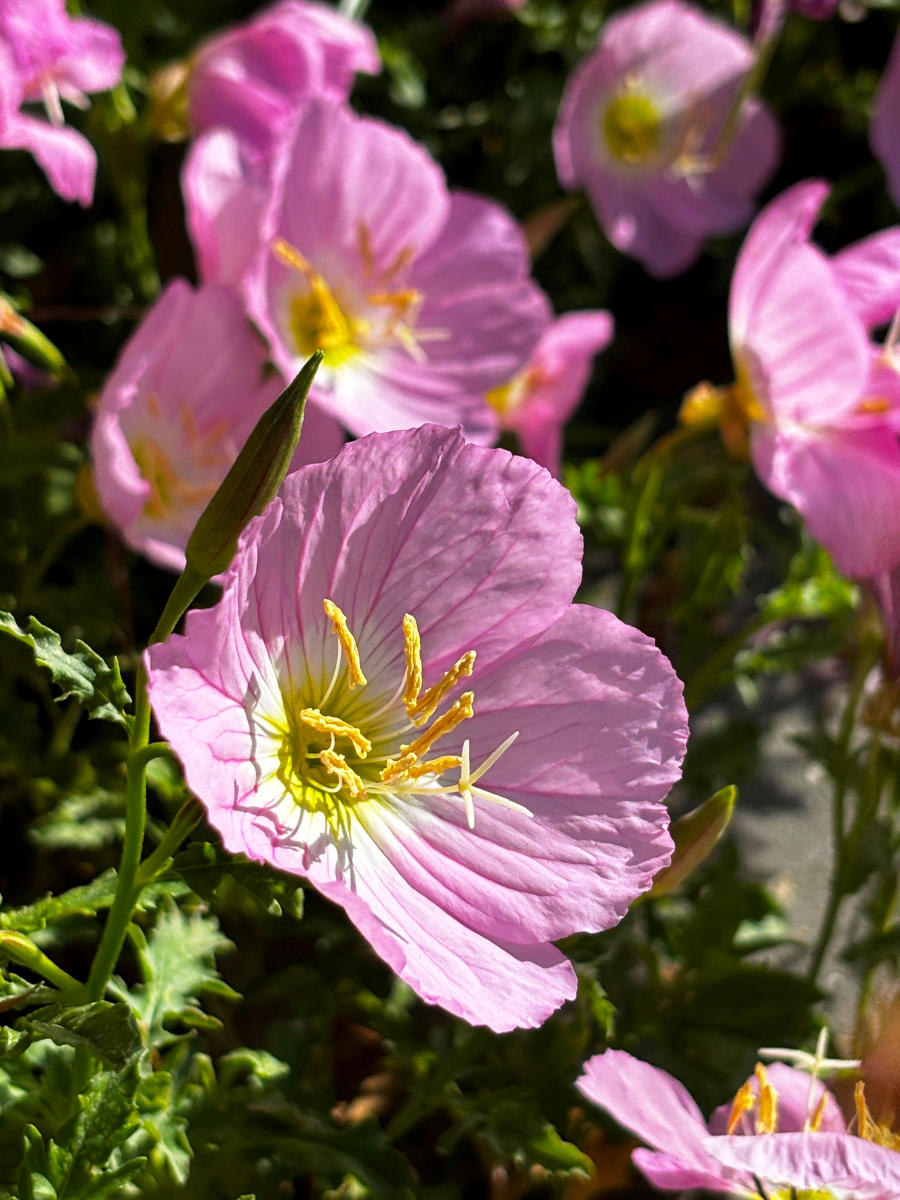
Pink evening primrose (Oenothera speciosa)
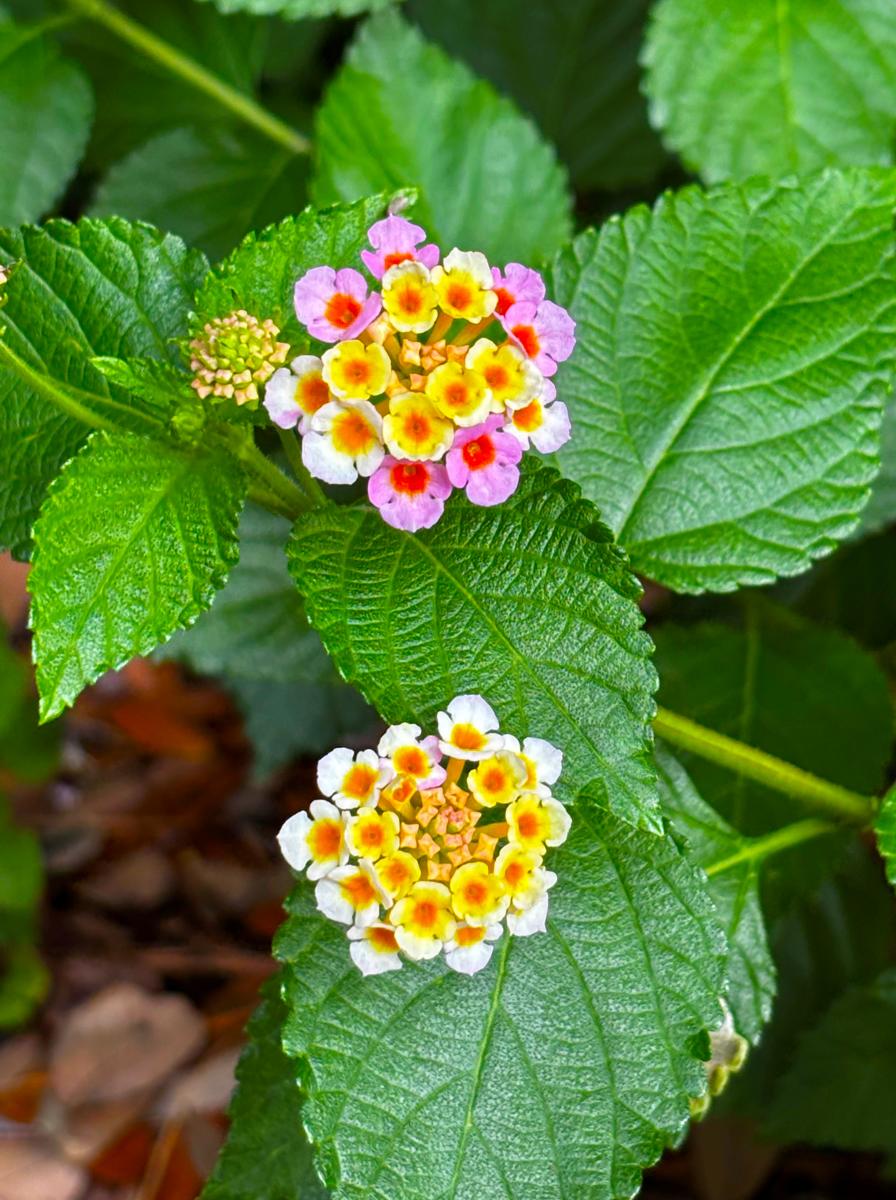
"Ham and eggs" lantana (Lantana camara)
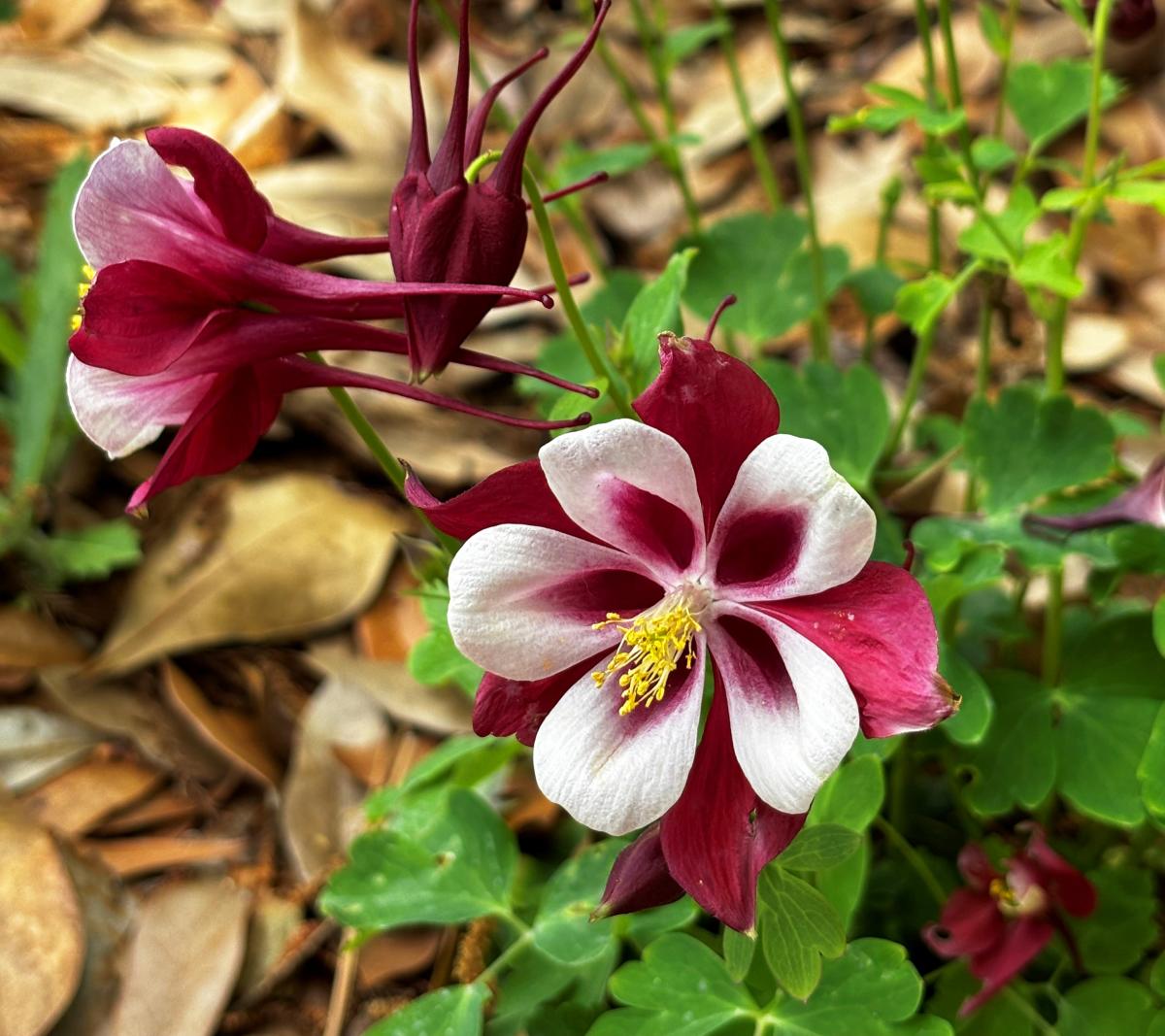
Songbird cardinal columbine (Aquilegia canadensis)
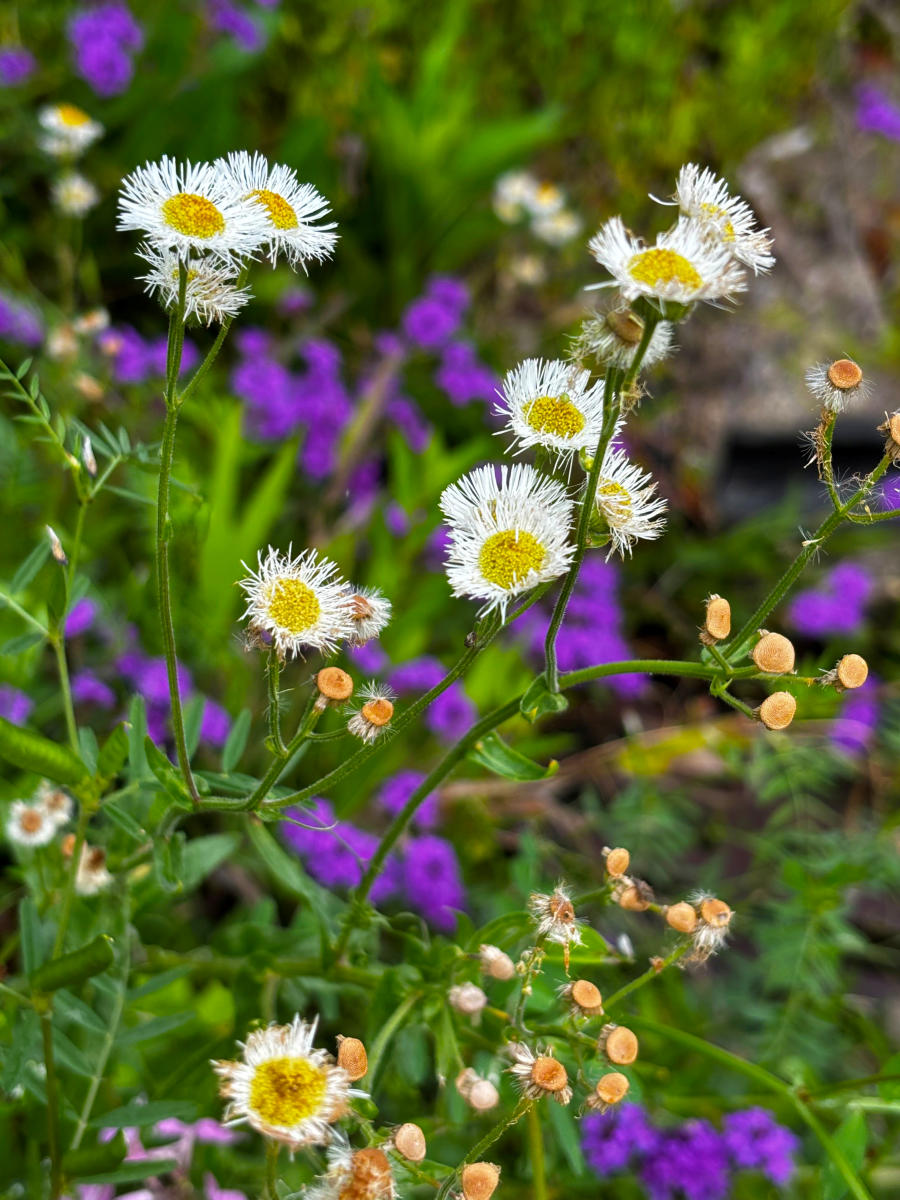
White daisy fleabane (Erigeron annuus) and rigid verbena (Verbena rigida)
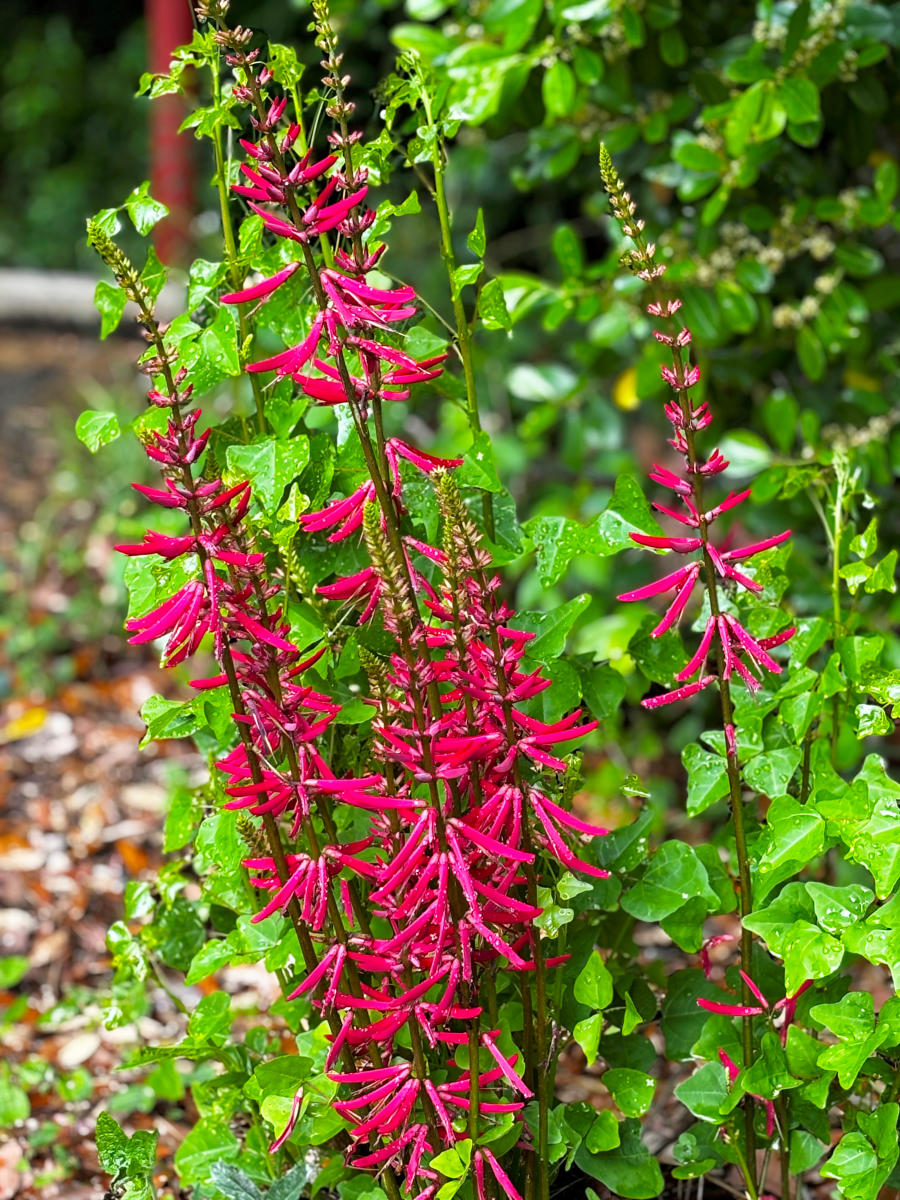
Coral bean (Erythrina herbacea), also known locally as the Mamou plant
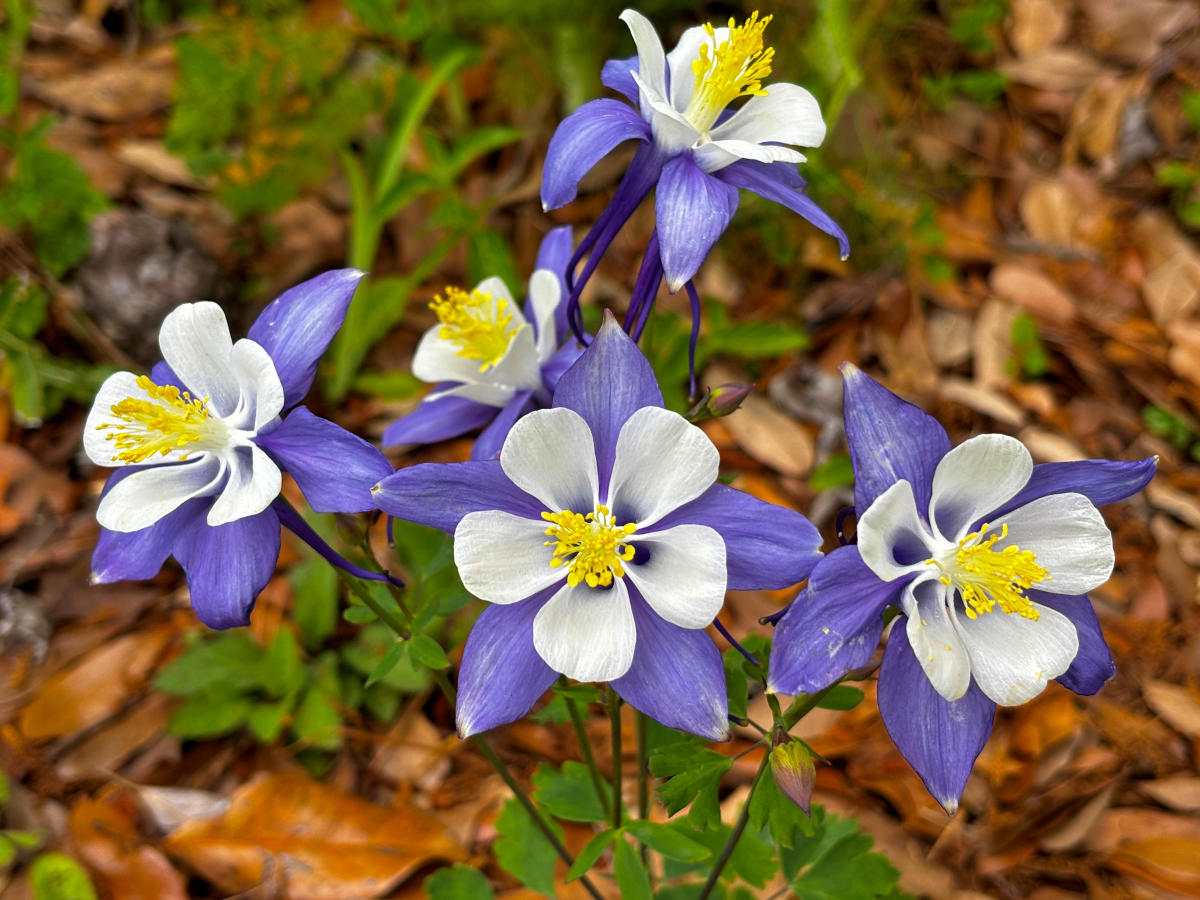
Blue columbine (Aquilegia caerulea)
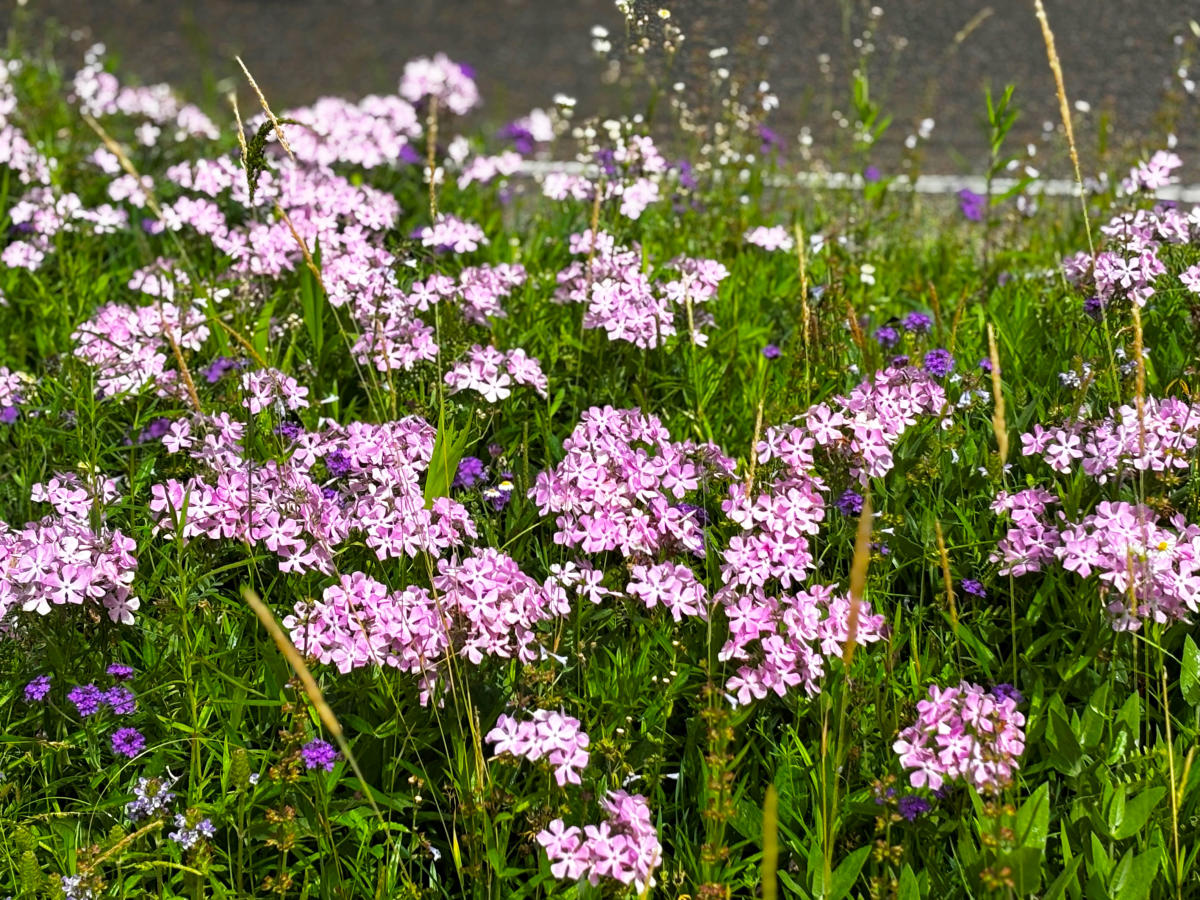
Prairie phlox (Phlox pilosa) mixed with scattered purple verbena (Verbena rigida) and self heal (Prunella vulgaris)
Connected to the Community
The boardwalk extends toward nearby parish facilities, connecting the visitor center to the surrounding community landscape. Visitors who continue beyond the property can easily reach nearby attractions--on foot or on wheels--including Kids Konnection Playground and the Tammany Trace, making the visitor center a convenient first stop for families and active travelers alike.
For or 50 years, Visit The Northshore has helped visitors discover what makes St. Tammany Parish special. At our visitor center, that welcome begins with hospitality at the front desk and continues just outside, where the landscape tells its own Louisiana story — not of manicured perfection, but of shade, biodiversity, quiet renewal and the seasonal rhythms of a living wetland.
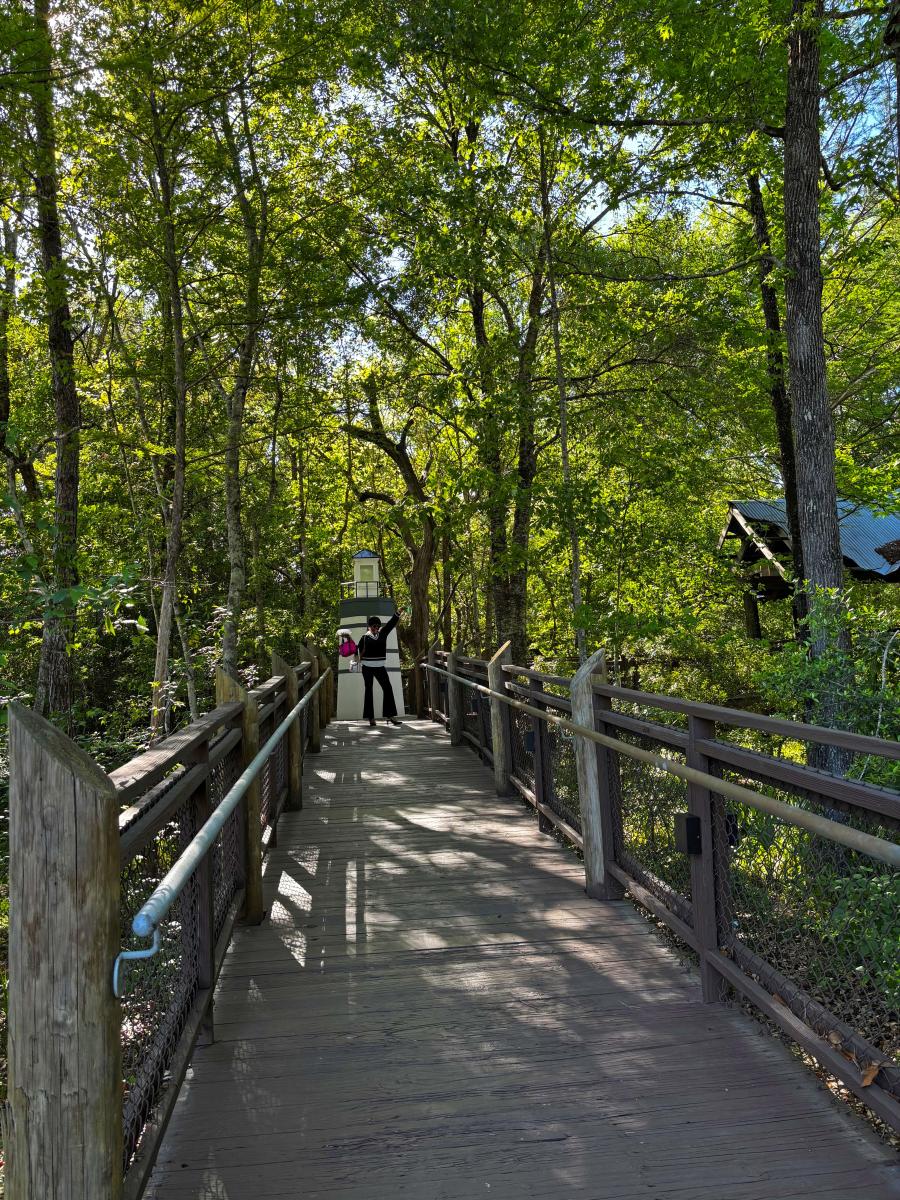
Senior Sales Manager and All The Waves co-host Zondra White Jones waves hello from the boardwalk.
About the Birds & Blooms
Birds observed around the center include:
- American crow (Corvus brachyrhynchos)
- American robin (Turdus migratorius)
- Barred owl (Strix varia)
- Blue jay (Cyanocitta cristata)
- Blue-gray gnatcatcher (Polioptila caerulea)
- Brown thrasher (Toxostoma rufum)
- Brown-headed nuthatch (Sitta pusilla)
- Canada goose (Branta canadensis)
- Carolina chickadee (Poecile carolinensis)
- Carolina wren (Thryothorus ludovicianus)
- Cedar waxwing (Bombycilla cedrorum)
- Downy woodpecker (Dryobates pubescens)
- Eastern towhee (Pipilo erythrophthalmus)
- Fish crow (Corvus ossifragus)
- Gray catbird (Dumetella carolinensis)
- Indigo bunting (Passerina cyanea)
- Mourning dove (Zenaida macroura)
- Sourthern cardinal (Cardinalis cardinalis)
- Northern mockingbird (Mimus polyglottos)
- Red-bellied woodpecker (Melanerpes carolinus)\
- Red-shouldered hawk (Buteo lineatus)
- Ruby-throated hummingbird (Archilochus colubris)
- Summer tanager (Piranga rubra)
- Tufted titmouse (Baeolophus bicolor)
- White-eyed vireo (Vireo griseus)
- Wood thrush (Hylocichla mustelina)
Species planted or naturally growing on Visit The Northshore grounds include:
- American beautyberry (Callicarpa americana)
- Arrowood (Viburnum dentatum)
- Ashy sunflower (Helianthus mollis)
- Bald cypress (Taxodium distichum)
- Bee balm (Monarda spp.)
- Black-eyed Susan (Rudbeckia hirta)
- Brazilian verbena (Verbena bonariensis)
- Cardinal flower (Lobelia cardinalis)
- Columbine varieties (Aquilegia spp.)
- Coral bean (Erythrina herbacea)
- Dill (Anethum graveolens)
- French mulberry (Callicarpa americana)
- Gaillardia (Gaillardia spp.)
- Lantana (Lantana camara)
- Live oak (Quercus virginiana)
- Lyreleaf sage (Salvia lyrata)
- Magnolia (Magnolia spp.)
- Mayhaw (Crataegus spp.)
- Mistflower (Ageratum spp.)
- Narrowleaf sunflower (Helianthus angustifolius)
- Netted chain fern (Woodwardia areolata)
- Orange coneflower ‘Goldsturm’ (Rudbeckia fulgida)
- Oxeye daisy (Leucanthemum vulgare)
- Palmetto (Sabal minor)
- Pink evening primrose (Oenothera speciosa)
- Rigid verbena (Verbena rigida)
- Rosinweed (Silphium spp.)
- Scarlet rosemallow (Hibiscus coccineus)
- Self heal (Prunella vulgaris)
- Southern shield fern (Thelypteris kunthii or Christella kunthii)
- Sweetgum (Liquidambar styraciflua)
- Turk’s cap mallow (Malvaviscus arboreus var. drummondii)
- White daisy fleabane (Erigeron annuus)
- White wild indigo (Baptisia alba)
- Wild azalea (Rhododendron canescens)
- Wild petunia (Ruellia humilis)
- Yaupon holly (Ilex vomitoria)
Text and photos ©2026 Roberta Carrow Jackson. Plant species identification by John Mayronne of John Mayronne Associates, who designs, plants and maintains the visitor center grounds. Birds identified by Roberta using the Merlin Bird ID app by Cornell Lab of Ornithology, Cornell University.
Click for more information about our visitor center and staff.